Methodology
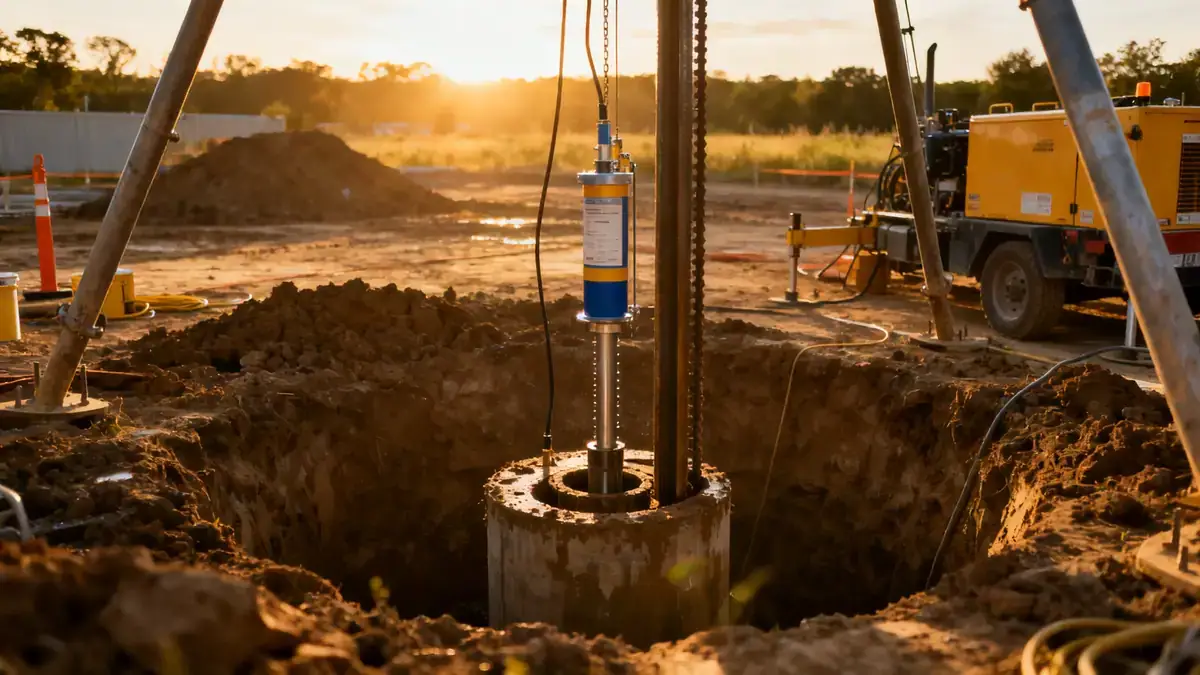
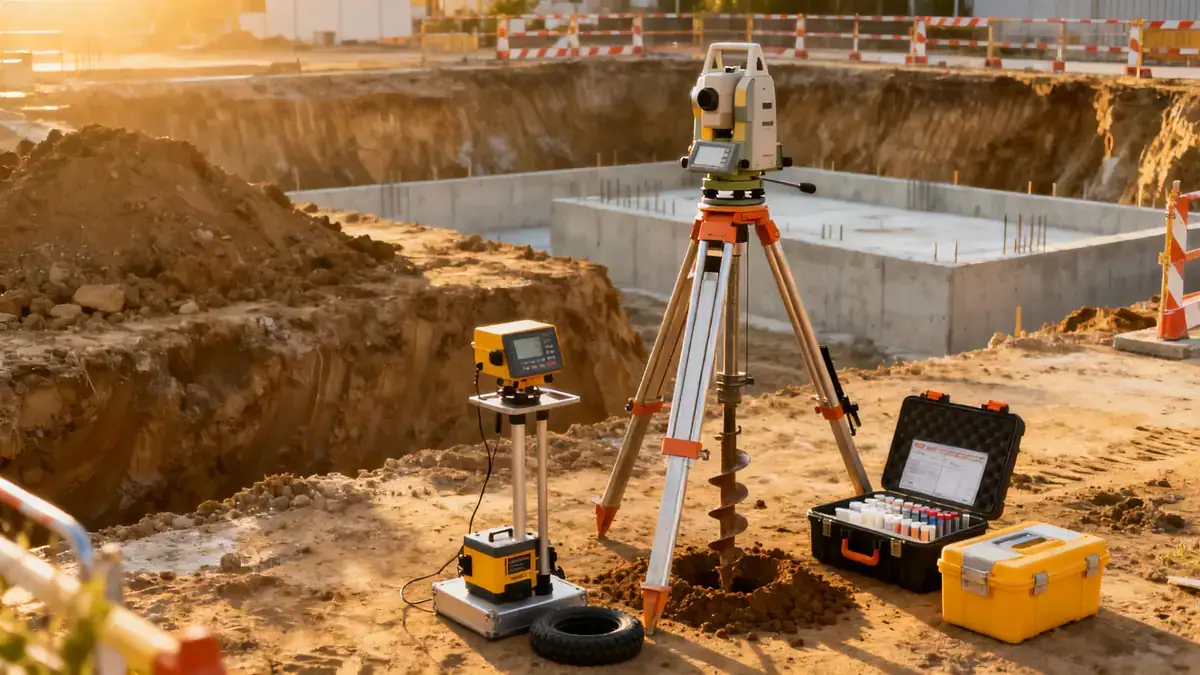
Our team executes standard penetration test (SPT) programs across Glasgow following ASTM D1586 procedures, with sampling intervals of 1.0 to 1.5 meters to capture stratigraphic variations in boulder clays and alluvial sands. We deploy 63.5 kg hammers with 760 mm drop heights, recording N-values corrected for overburden (N60) and energy efficiency. In cohesive soils, we retrieve undisturbed samples via Shelby tubes for subsequent laboratory testing. For comprehensive profiling, we integrate SPT results with cone penetration test (cpt) data to refine stratigraphic models.
Reference Technical Parameters
| Parameter | Reference Value |
|---|---|
| Predominant soil type | Glacial till (boulder clay) overlying sandstone bedrock |
| Maximum seismic acceleration (PGA) | 0.08 g (seismic hazard class low to moderate per UK National Annex to Eurocode 8) |
| Typical groundwater level | 1.5–4.0 m below ground surface, variable with season and proximity to River Clyde |
| Bedrock depth | 5–15 m in central Glasgow; up to 30 m in peripheral areas |
| Typical N60 range (glacial till) | 20–50 blows/300 mm in dense till; 5–15 in soft alluvial deposits |
Local Considerations — Glasgow
Glasgow's subsurface is dominated by glacial till (boulder clay) with variable cobble content, posing challenges for SPT drive systems. In the city centre, made ground from historical industrial fill requires careful handling of obstructions. The high water table in floodplain areas (e.g., along the Clyde) necessitates casing or bentonite slurry to maintain borehole stability. Seismic design per Eurocode 8 requires site classification using SPT N60 values; our team integrates these data with dpsh dynamic probing to delineate soft zones in redevelopment sites. Typical projects include high-rise residential in Merchant City and infrastructure along the M74 corridor.
Request a Quote
Our team reviews your project and issues an initial report at no cost.
Or write us directly at [email protected]
Services in Glasgow
Locations covered in Glasgow
Applicable Standards
- BS 5930:2015 Code of practice for site investigations
- Eurocode 7 (BS EN 1997-2) Geotechnical design – Ground investigation and testing
- ASTM D1586 Standard Test Method for Standard Penetration Test (SPT)
- Eurocode 8 (BS EN 1998-5) Seismic design – Foundations, retaining structures and geotechnical aspects
Frequently Asked Questions
What are the typical soil conditions encountered during SPT in Glasgow?
Glasgow's soils are predominantly glacial till (boulder clay) overlying Carboniferous sandstone and coal measures. Soft alluvial deposits and made ground are common near the River Clyde. SPT N60 values in till range from 20 to 50, while softer deposits may yield 5 to 15 blows per 300 mm.
Is seismic design required for foundations in Glasgow?
Yes, per Eurocode 8 and the UK National Annex, Glasgow lies in a low-to-moderate seismic hazard zone (PGA ≈ 0.08 g). Site classification based on SPT N60 values is mandatory for certain structures, such as hospitals and high-rise buildings, to assess liquefaction and dynamic response.
Are geotechnical investigations mandatory for all construction projects in Glasgow?
Building regulations (Scottish Building Standards) require ground investigations for most developments, particularly those with significant loads or in areas with variable ground conditions. SPT is a standard method used to obtain design parameters for foundation design and slope stability.