Methodology
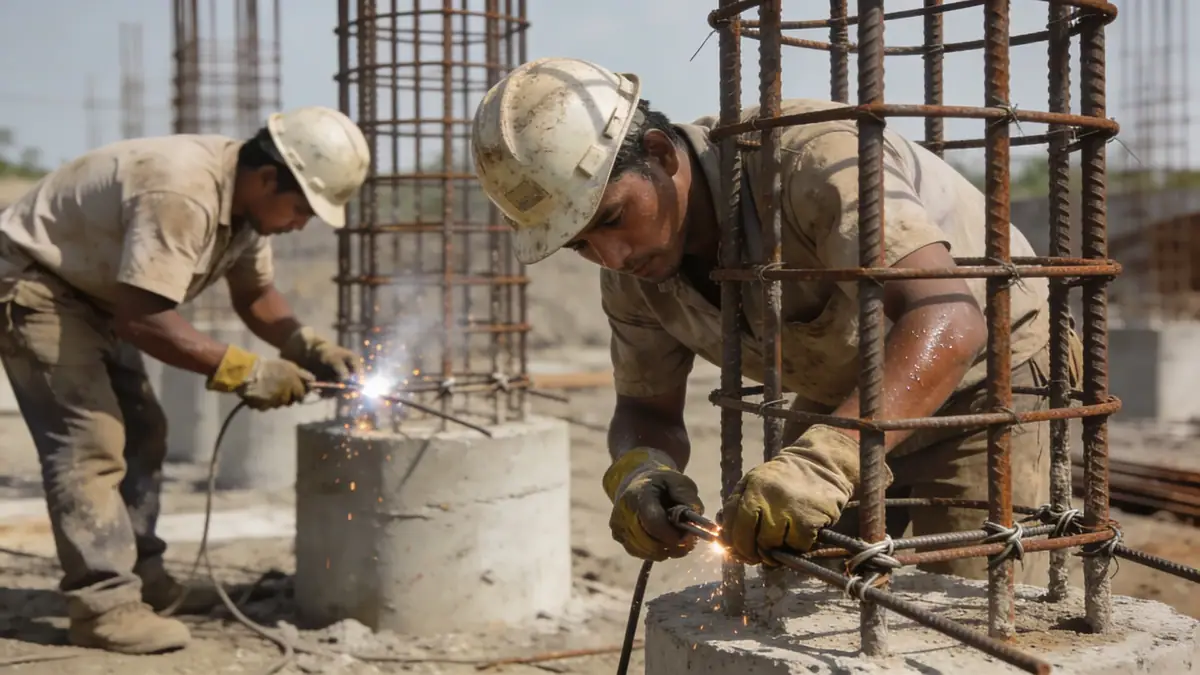
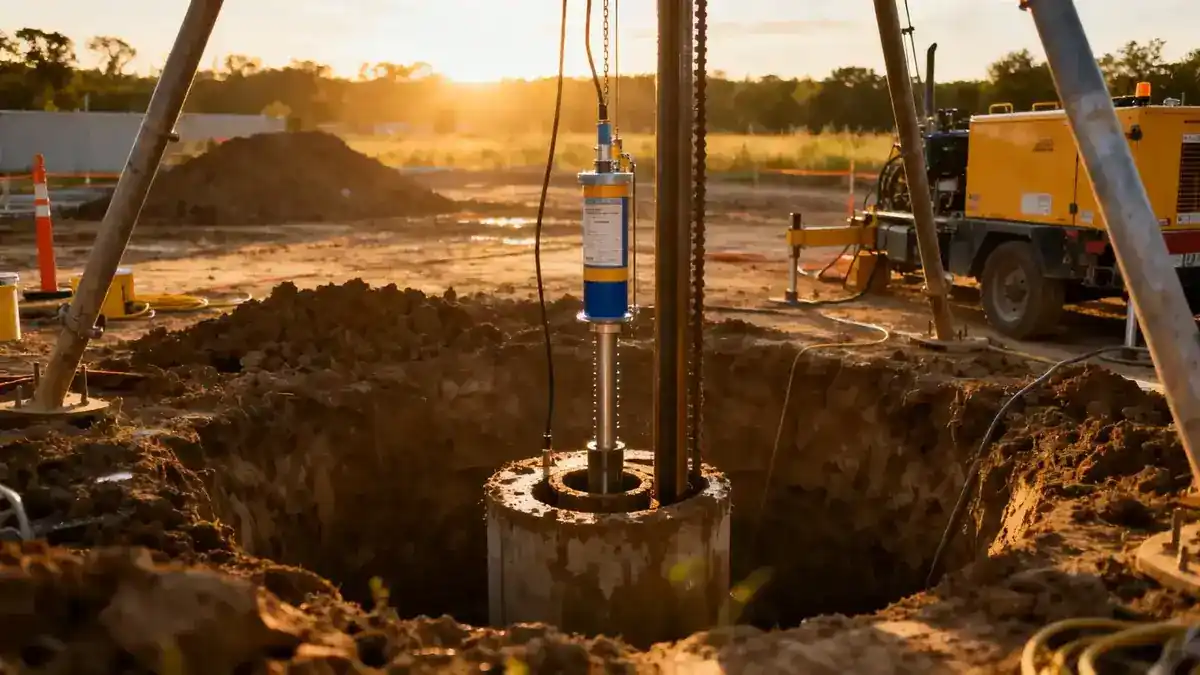
Our methodology for standard penetration test in Belfast follows ASTM D1586, with continuous sampling at 1.0–1.5 m intervals. We employ a 63.5 kg hammer with a 760 mm drop, recording blow counts per 150 mm penetration. The N-value is corrected for overburden and hammer efficiency to yield N60. For cohesive glacial tills, we supplement SPT with cone penetration test (cpt) to assess continuous stratigraphy. Our team ensures compliance with Eurocode 7 and local building regulations, providing robust data for foundation design in Belfast's variable soil conditions.
Reference Technical Parameters
| Parameter | Reference Value |
|---|---|
| Predominant soil type | Glacial till (boulder clay) |
| Maximum seismic acceleration (PGA) | 0.15g (Eurocode 8, Type B ground) |
| Typical groundwater level | 2–5 m below ground surface |
| Bedrock depth | 10–30 m (basalt and limestone) |
| Typical N60 range | 15–40 blows/300 mm (dense to very dense) |
Local Considerations — Belfast
Belfast's glacial till exhibits high variability, with cobbles and boulders often interrupting SPT advancement. Dense layers near the surface (N60 > 30) require pre-drilling or heavy-duty equipment. The water table, typically at 3 m depth, can cause loss of fines during sampling; our firm uses casing to maintain borehole stability. Seismic considerations per Eurocode 8 classify Belfast as low seismicity (PGA 0.15g), but soft alluvial deposits in the Lagan Valley may amplify ground motion. For deep foundations, we recommend dpsh dynamic probing to assess bearing capacity in till, while SPT remains primary for shallow foundations.
Request a Quote
Our team reviews your project and issues an initial report at no cost.
Or write us directly at [email protected]
Services in Belfast
Applicable Standards
- ASTM D1586
- Eurocode 7
- Eurocode 8
- BS 5930
- Building Regulations (Northern Ireland) 2012
Frequently Asked Questions
What are the typical soil conditions in Belfast for foundation design?
Belfast's soils are dominated by glacial till, a dense mixture of clay, silt, sand, and gravel. This material provides good bearing capacity but can contain cobbles that complicate SPT. Groundwater is typically shallow, requiring dewatering for excavations. Our standard penetration test in Belfast addresses these challenges.
Is seismic design required for buildings in Belfast?
Per Eurocode 8, Belfast falls in a low seismicity zone with a PGA of 0.15g. However, site-specific ground response analyses may be needed for sensitive structures on soft alluvial deposits. Our firm incorporates seismic considerations into standard penetration test in Belfast to ensure compliance.
Are geotechnical investigations mandatory for new constructions in Belfast?
Yes, the Building Regulations (Northern Ireland) 2012 require site investigations to determine ground conditions. Standard penetration test in Belfast is a key method for assessing soil strength and stratigraphy. Our firm provides these services to meet regulatory demands.