Methodology
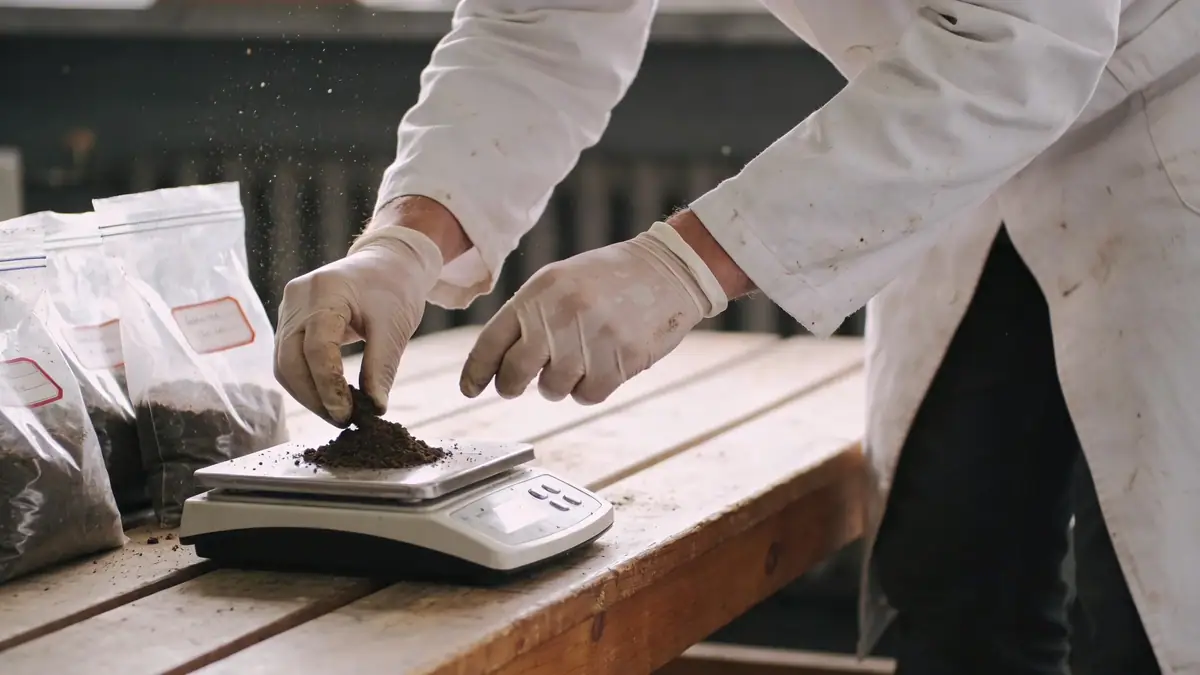
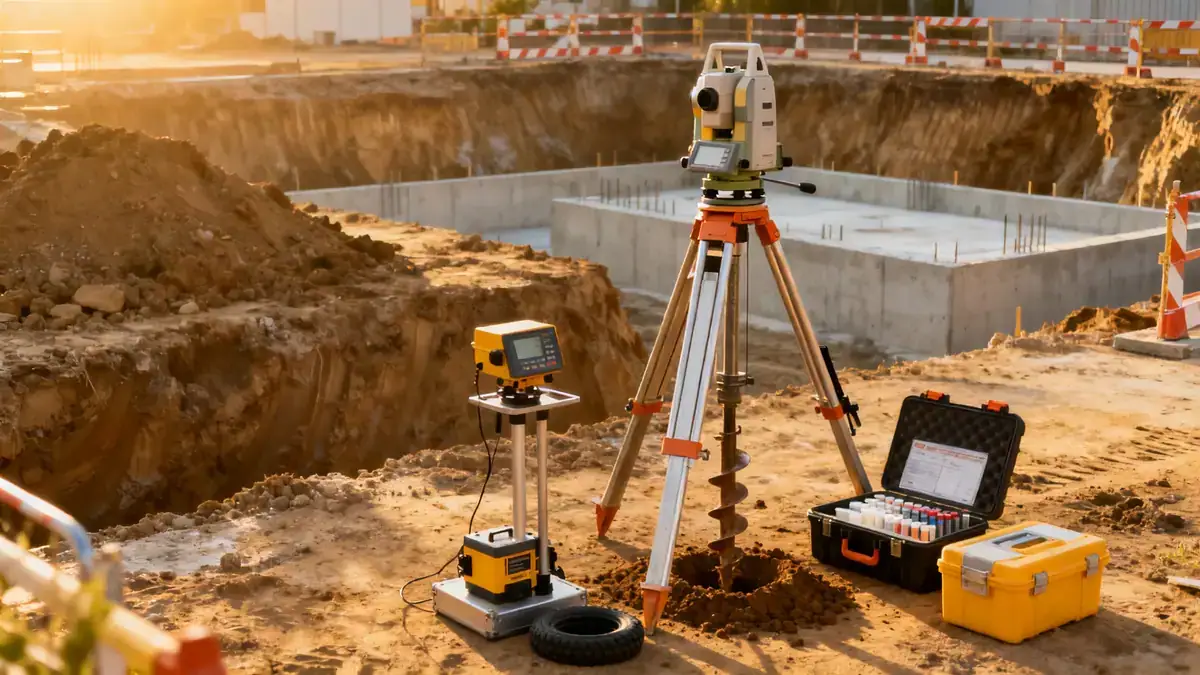
Our methodology for standard penetration test in Birmingham follows ASTM D1586, using a 63.5 kg hammer dropped 760 mm to drive a split-barrel sampler. We record blow counts per 150 mm increment, with N-value as the sum of the last two increments. Our team deploys truck-mounted rigs with continuous sampling at 1.0–1.5 m intervals, typical for urban projects. All tests are supervised by experienced engineers, and soil samples are logged on-site for classification. For deeper profiling, we integrate standard penetration test (spt) with other methods to capture variable strata common in Birmingham's glacial geology.
Reference Technical Parameters
| Parameter | Reference Value |
|---|---|
| Predominant soil type | Glacial till (boulder clay), river terrace deposits |
| Typical N60 range | 10–35 blows/300 mm in till; 5–15 in alluvium |
| Maximum seismic acceleration (PGA) | 0.05g–0.10g (low seismicity, per BS EN 1998-1) |
| Typical groundwater level | 2–8 m below ground surface, variable with season |
| Bedrock depth | 20–50 m (Mercia Mudstone Group) |
Local Considerations — Birmingham
Birmingham's geology is dominated by glacial till (boulder clay) overlying Mercia Mudstone, with river terrace deposits along the Tame and Cole valleys. The till exhibits variable density and occasional cobbles, requiring careful SPT interpretation. Groundwater is typically shallow in valley areas, affecting excavation stability. Seismic hazard is low (PGA <0.10g per BS EN 1998-1), but site amplification may occur in soft alluvium. Our team tailors investigations to account for these conditions; for continuous profiling in variable soils, we recommend cone penetration test (cpt) as a complementary method. Typical projects include high-rise foundations in the city centre and infrastructure along the M6 corridor.
Request a Quote
Our team reviews your project and issues an initial report at no cost.
Or write us directly at [email protected]
Services in Birmingham
Locations covered in Birmingham
Applicable Standards
- ASTM D1586
- BS 5930
- Eurocode 7 (BS EN 1997-1, -2)
- BS EN 1998-1 (seismic loading)
Frequently Asked Questions
What soil types are commonly encountered in Birmingham during SPTs?
Birmingham typically has glacial till (boulder clay) with variable gravel content, river terrace sands and gravels, and Mercia Mudstone bedrock. SPT N-values in till range from 10 to 35, while alluvial deposits may show lower values. Proper logging is essential.
Is seismic site classification required for Birmingham projects?
Yes, per Eurocode 8 (BS EN 1998-1), site classification is required for new buildings. Birmingham falls in low seismicity zones, but local soil amplification can affect design spectra. SPT N-values help determine ground type (A–E) for seismic design.
Are SPT investigations mandatory for building permits in Birmingham?
While not statutory for all projects, most local authorities and structural engineers require ground investigation reports. For larger or sensitive structures, SPT data is essential to comply with Eurocode 7 and ensure foundation safety. Our team can advise on regulatory needs.