Methodology
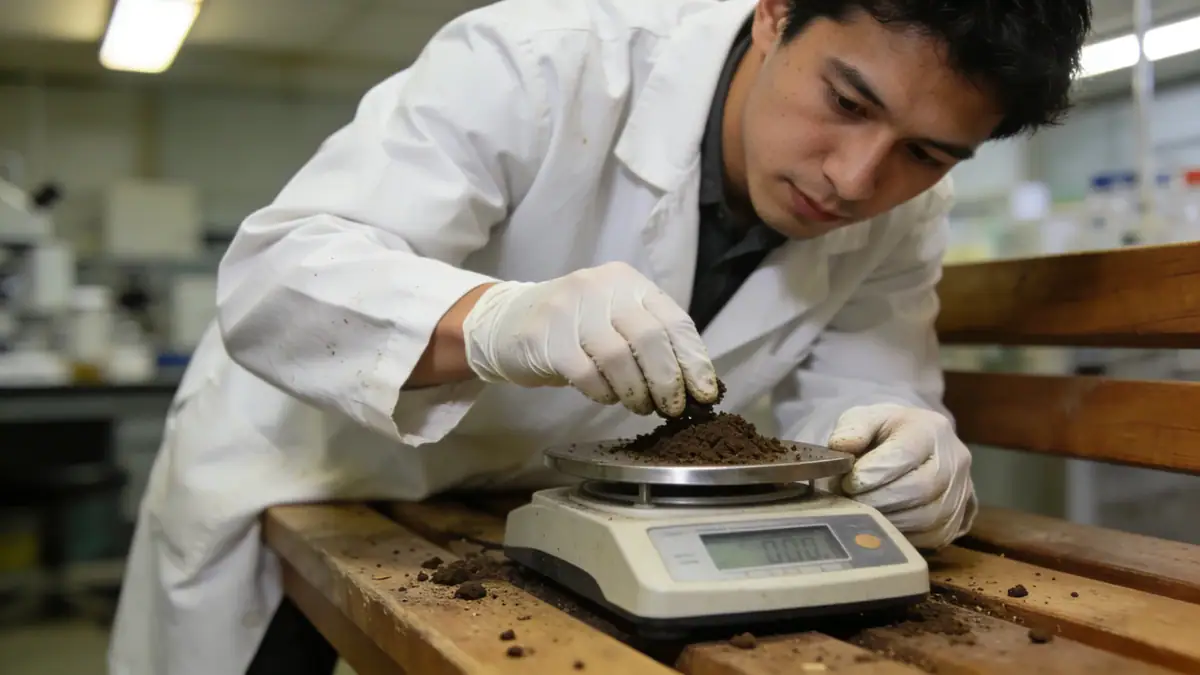
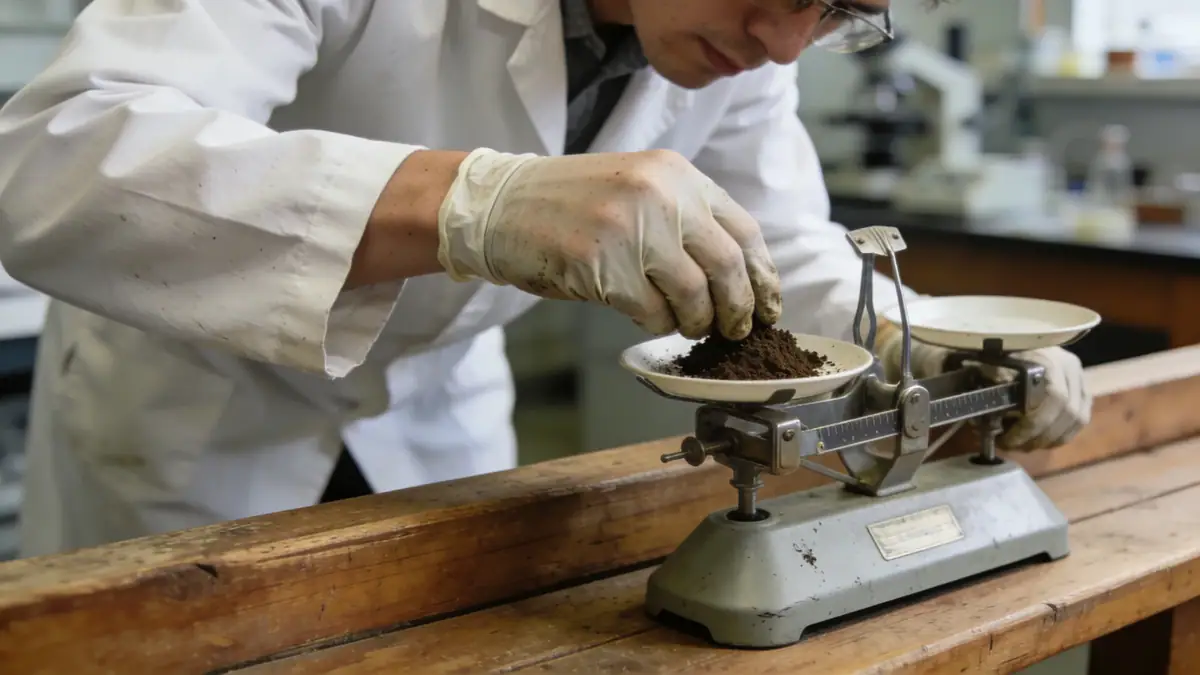
Our Cone Penetration Test (CPT) methodology adheres to the guidelines of BS EN ISO 22476-1:2012 and Eurocode 7 (EN 1997-2). We utilise a 10-tonne cone penetration rig equipped with an electronic cone (35.7 mm diameter, 60° apex angle) for standard electric CPT. The cone is advanced at a constant rate of 20 mm/s, with measurements of cone tip resistance (qc), sleeve friction (fs), and pore pressure (u) recorded at 2 cm intervals. The data acquisition system provides real-time logging and processing to classify soil behaviour type using the Robertson (1990) chart. The test typically achieves refusal at a tip resistance of 50 MPa or when the rig's thrust capacity is reached. For deeper soundings in soft clays, we may deploy a 20-tonne rig to reach depths exceeding 40 metres. Our Standard Penetration Test (SPT) is often used in conjunction to retrieve soil samples for laboratory validation.
Reference Technical Parameters
| Parameter | Reference Value |
|---|---|
| Cone tip resistance (qc) | 0–50 MPa |
| Sleeve friction (fs) | 0–0.5 MPa |
| Pore pressure (u) | 0–3 MPa |
| Penetration rate | 20 mm/s ± 2 mm/s |
| Maximum depth (standard rig) | 40 m (in soft to firm clays) |
Local Considerations — United Kingdom
Geotechnical conditions vary significantly across the United Kingdom, from the soft marine clays of the Thames Estuary in London to the glacial tills of Glasgow and the peat deposits of the Fens near Peterborough. Our firm tailors the CPT approach to each region: in Aberdeen, where dense glacial till overlies bedrock, we use a high-thrust rig to achieve penetration; in Manchester, where variable alluvial deposits are common, we employ pore pressure dissipation tests to assess consolidation. The service is delivered with a consistent quality framework across all cities, including Birmingham, Leeds, and Cardiff. Our SPT boring in Aberdeen operations complement this regional strategy, ensuring that clients receive site-specific data aligned with local ground conditions and regulatory requirements.
Request a Quote
Our team reviews your project and issues an initial report at no cost.
Or write us directly at [email protected]
Applicable Standards
- BS EN ISO 22476-1:2012
- Eurocode 7: EN 1997-2
- BS 5930:2015
Frequently Asked Questions
What is the difference between CPT and SPT?
CPT provides a continuous profile of soil resistance and pore pressure at 2 cm intervals, while SPT yields discrete blow counts and soil samples at 1.5 m intervals. CPT is faster and provides higher resolution data, but SPT is necessary for soil sampling and in gravelly soils where CPT cannot penetrate.
What soil types are suitable for CPT?
CPT is most effective in soft to firm clays, silts, and sands. Gravelly soils, very dense sands, and hard clays may cause refusal or damage the cone. In such cases, our firm may recommend pre-drilling or alternative methods like SPT or dynamic probing.
How long does a typical CPT sounding take?
A standard CPT sounding to 20 m depth typically takes 1–2 hours including setup and breakdown. Pore pressure dissipation tests can add 30–60 minutes per test. For deeper soundings or difficult ground conditions, the duration may extend.
How much does Cone Penetration Test (CPT) cost in the United Kingdom?
The cost of a CPT investigation varies based on depth, accessibility, number of soundings, and site location. A typical price range is £15–£30 per linear metre. For an accurate quotation, please contact our team with your project details.