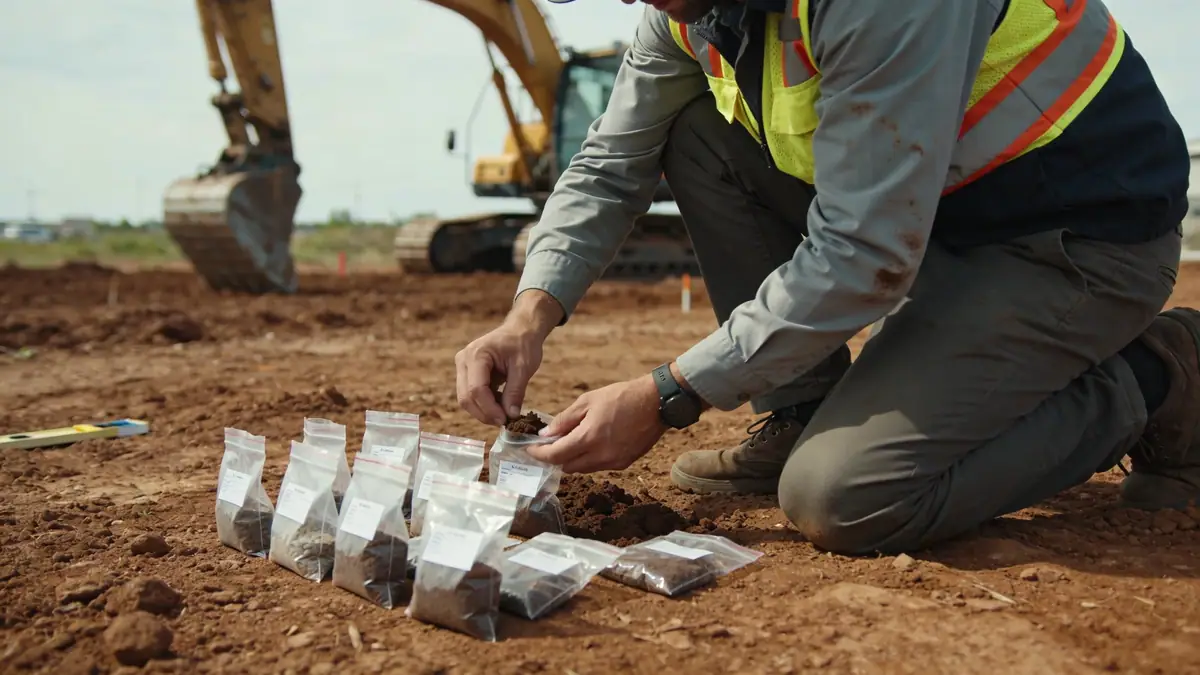
Methodology
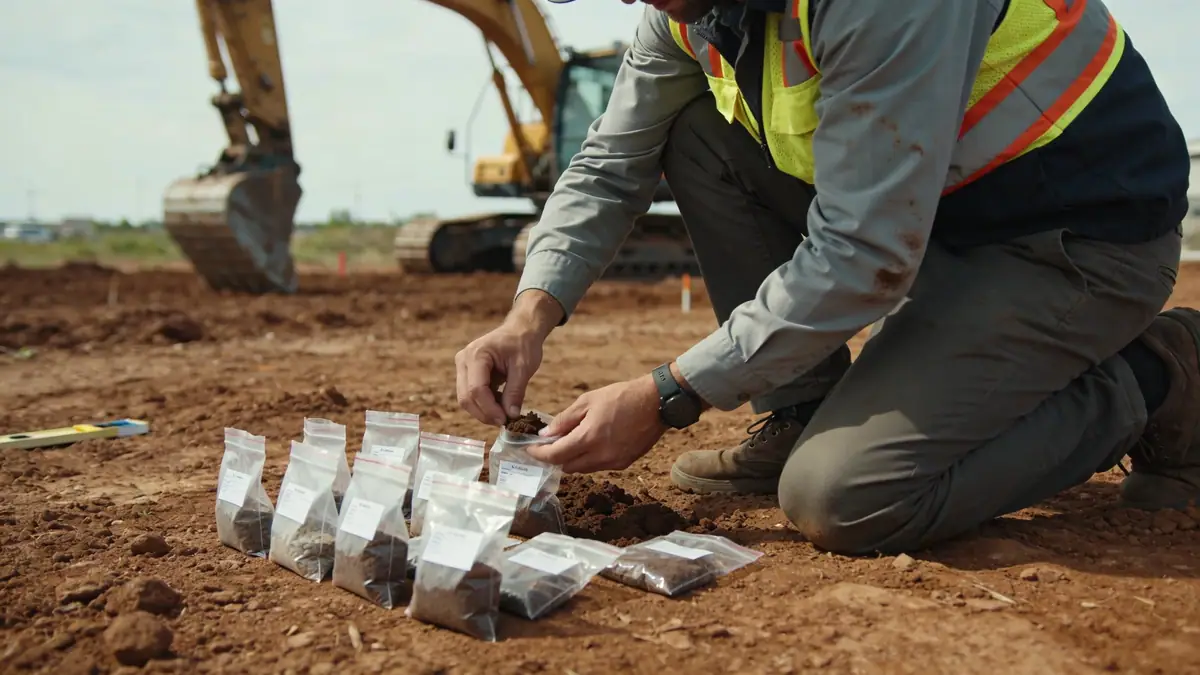
Our team executes standard penetration tests in Edinburgh following ASTM D1586 and BS EN ISO 22476-3, using a 63.5 kg hammer dropped 760 mm to drive a split-spoon sampler. We record blow counts per 150 mm interval to determine N-values, corrected for energy efficiency (N60) and overburden pressure. Sampling intervals typically range from 1.0 to 1.5 m, with depths extending to 15 m for residential projects and up to 30 m for industrial works. For detailed stratigraphic profiling, we integrate SPT results with cone penetration test (cpt) data where appropriate.
Reference Technical Parameters
| Parameter | Reference Value |
|---|---|
| Predominant soil type | Glacial till and raised marine deposits |
| Maximum seismic acceleration (PGA) | 0.05g (Eurocode 8 Zone 1) |
| Typical groundwater level | 2–5 m below ground surface |
| Bedrock depth | Variable; typically 10–30 m |
| Typical N60 range | 10–40 blows/300 mm |
Local Considerations — Edinburgh
Edinburgh's glacial till can exhibit high variability in density and stiffness, requiring careful SPT execution to capture interlayered sands and gravels. The presence of soft marine clays in coastal areas and historic fill in the city centre demands continuous sampling to avoid misleading blow counts. Our team adapts drilling methods to local conditions, using casing or drilling mud in unstable boreholes. For projects requiring deeper investigations, we coordinate with our standard penetration test (spt) specialists to ensure consistent data quality across sites. Additionally, we recommend referencing our standard penetration test en Glasgow for clients with regional portfolios.
Request a Quote
Our team reviews your project and issues an initial report at no cost.
Or write us directly at [email protected]
Services in Edinburgh
Applicable Standards
- ASTM D1586
- BS EN ISO 22476-3
- Eurocode 7 (BS EN 1997-2)
- BS 5930
- Eurocode 8 (BS EN 1998-1)
Frequently Asked Questions
What soil types are commonly encountered in Edinburgh?
Edinburgh's subsurface primarily consists of glacial till, raised marine deposits, and occasional alluvial soils. The till varies from dense silty sands to stiff clays, while coastal areas may contain soft clays and silts.
Is seismic design required in Edinburgh?
Edinburgh falls under Eurocode 8 Zone 1 with a PGA of 0.05g, indicating low seismicity. While seismic design is not mandatory for most structures, it may be required for critical infrastructure or tall buildings per local building regulations.
Are geotechnical investigations mandatory for construction in Edinburgh?
Yes, under the Building (Scotland) Regulations, site investigations are required to ensure safe foundation design. Standard penetration tests are commonly specified to assess soil strength and settlement potential.