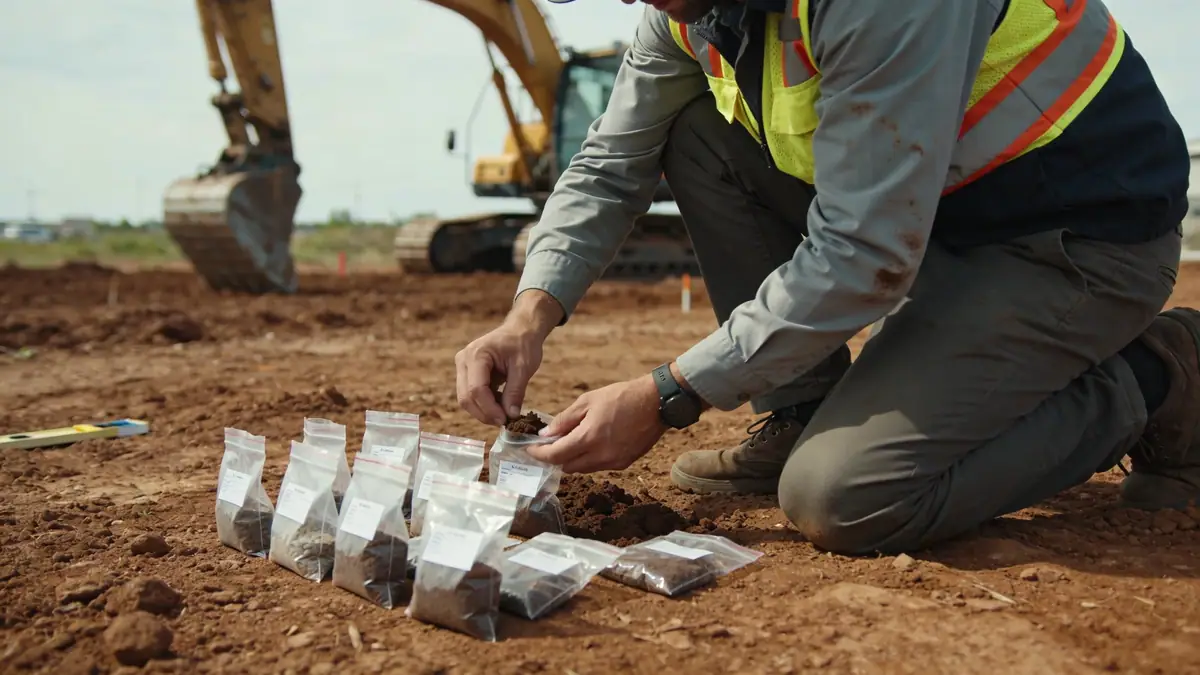
Methodology
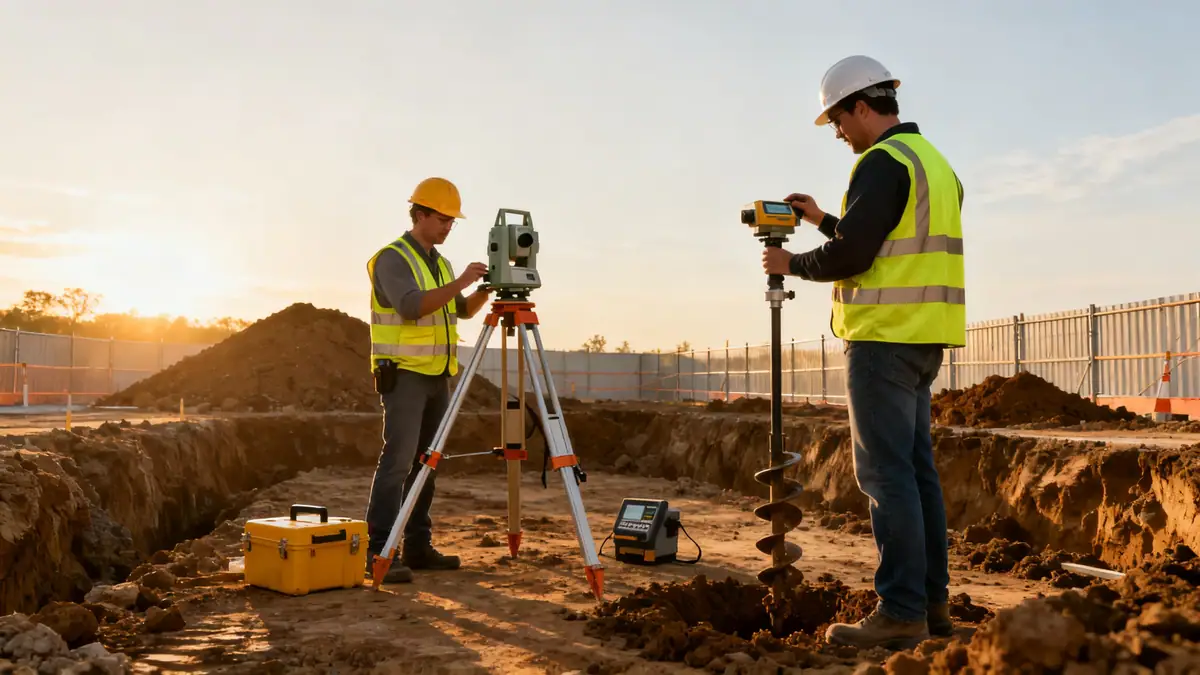
Our methodology for the Standard Penetration Test strictly follows BS EN ISO 22476-3, using a 63.5 kg hammer with a 760 mm drop to drive a split-spoon sampler. We record blow counts per 150 mm interval, with N-values corrected for overburden and energy efficiency. In addition to SPT, we offer complementary techniques such as the Cone Penetration Test (CPT) for continuous profiling and DPSH Dynamic Probing for deep strata evaluation. All equipment is calibrated annually, and our field teams maintain real-time data logging for traceability. This integrated approach ensures robust geotechnical parameters for any site across the UK.
Reference Technical Parameters
| Parameter | Reference Value |
|---|---|
| SPT N-value (blows/300mm) | 0–50 (typical range) |
| Hammer energy ratio (%) | 60–80 (rod length corrected) |
| Sampler type | Split-spoon, 35 mm ID / 51 mm OD |
| Maximum test depth (m) | 30–50 (depending on rig) |
| Correction for overburden (N60) | As per CIRIA C641 |
Local Considerations — United Kingdom
UK ground conditions range from soft alluvial clays in the south to glacial tills and weathered rock in the north and Scotland. Our firm applies region-specific correlations based on extensive local databases. For example, in areas underlain by London Clay, we use SPT N-values to estimate undrained shear strength with proven empirical relationships. We also account for seismic zonation (low to moderate) per Eurocode 8, ensuring our SPT data supports dynamic analyses where required. This local knowledge, combined with national coverage, allows us to provide tailored recommendations for projects in the central belt, northern regions, and southern counties, such as those in Aberdeen.
Request a Quote
Our team reviews your project and issues an initial report at no cost.
Or write us directly at [email protected]
Applicable Standards
- BS EN ISO 22476-3:2005
- Eurocode 7 (BS EN 1997-2)
- CIRIA C641
- ASTM D1586 (reference)
Frequently Asked Questions
What is the Standard Penetration Test (SPT) and how is it performed in the UK?
The SPT is a dynamic penetration test used to determine soil strength and density. In the UK, it is performed per BS EN ISO 22476-3, driving a split-spoon sampler with a 63.5 kg hammer falling 760 mm. Blow counts (N-values) are recorded for each 150 mm interval, with corrections for energy and overburden.
How does SPT data inform foundation design in UK soils?
SPT N-values are correlated with soil parameters such as friction angle, relative density, and undrained shear strength. For UK clays and sands, these correlations are calibrated using local databases, enabling safe and economical foundation designs in compliance with Eurocode 7.
What is the typical cost and timeline for an SPT investigation in the UK?
Costs depend on site access, depth, and number of tests, typically ranging from £50 to £150 per test. A standard 10-test programme can be completed in 1–2 days, with a full report within 5 working days. Our firm provides competitive fixed-price quotations.