Methodology
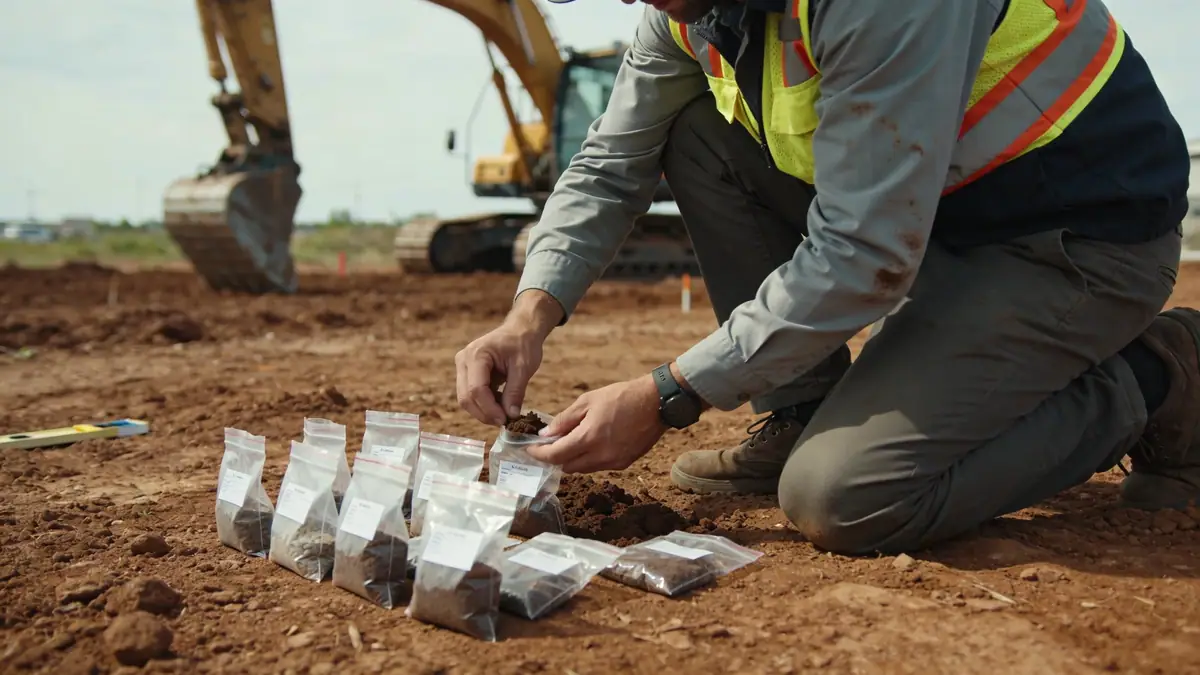
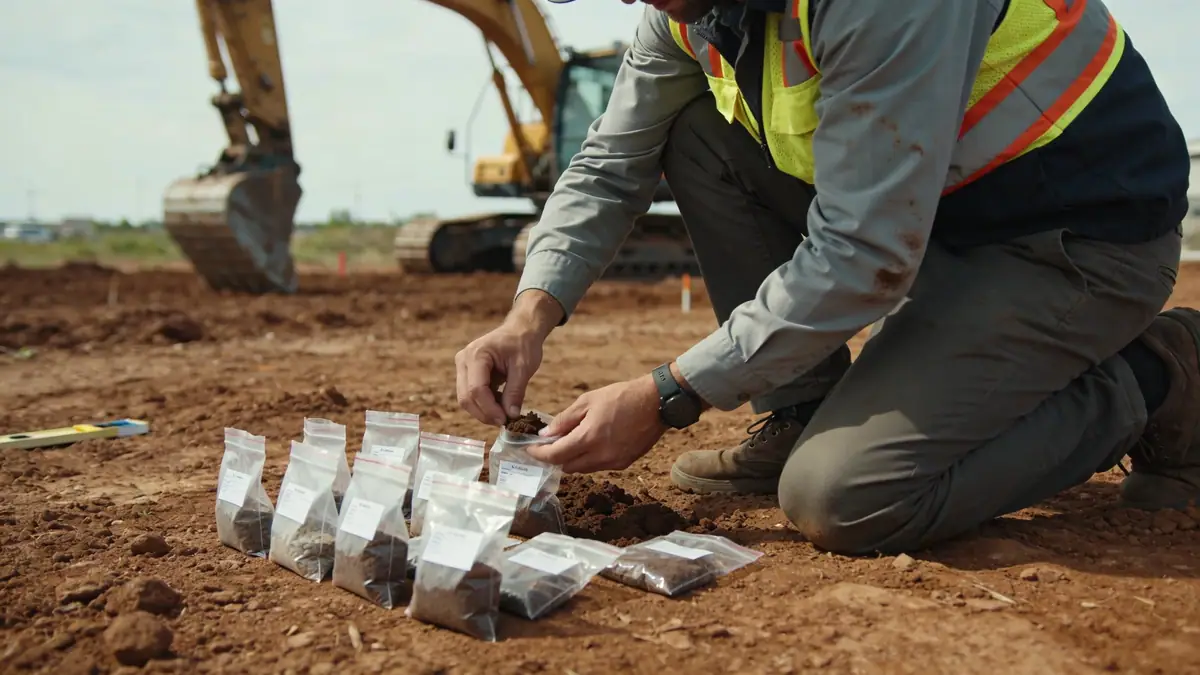
Our standard penetration test (SPT) methodology in Leicester follows BS EN ISO 22476-3, using a 63.5 kg hammer with 760 mm drop to drive a split spoon sampler. We record blow counts per 150 mm increment (N-value) at 1.0 to 1.5 m intervals, as per our standard penetration test (spt) protocol. This provides continuous soil strength profiles. All equipment is calibrated annually. Our team integrates SPT results with laboratory tests to classify soils per BS 5930, delivering reliable parameters for shallow and deep foundation design.
Reference Technical Parameters
| Parameter | Reference Value |
|---|---|
| Predominant soil type | Glacial till (boulder clay) and river terrace gravels |
| Maximum seismic acceleration (PGA) | 0.08 g (UK National Annex to Eurocode 8) |
| Typical groundwater level | 2–5 m below ground surface (variable) |
| Bedrock depth | Variable, typically >30 m (Mercia Mudstone Group) |
| Typical N60 range | 10–40 blows/300 mm (glacial tills); 20–50+ (gravels) |
Local Considerations — Leicester
Leicester’s geology is dominated by glacial tills (boulder clay) over Mercia Mudstone bedrock, with river terrace deposits along the Soar Valley. Groundwater is typically 2–5 m deep, requiring dewatering for excavations. Seismic hazard is low (PGA 0.08 g), but liquefaction potential exists in loose saturated sands. The city’s industrial legacy (e.g., former textile mills) creates variable fill conditions. Our team has extensive experience across Leicester’s districts, from the city centre to suburban developments. For regional context, see our standard penetration test services from Birmingham. We also offer cone penetration test (cpt) for continuous profiling in soft soils.
Request a Quote
Our team reviews your project and issues an initial report at no cost.
Or write us directly at [email protected]
Services in Leicester
Applicable Standards
- BS EN ISO 22476-3:2005 (SPT)
- Eurocode 7 (BS EN 1997-1 and -2)
- Eurocode 8 (BS EN 1998-5) – seismic design
- BS 5930:2015 – site investigation code of practice
- ASTM D1586 – standard test method for SPT
Frequently Asked Questions
What are the typical soil conditions for standard penetration tests in Leicester?
Leicester’s subsoils consist mainly of glacial till (boulder clay) and river terrace gravels, with occasional soft alluvial clays near the Soar. Bedrock (Mercia Mudstone) is deep, often >30 m. SPT N-values in tills typically range 10–40, while gravels can exceed 50. Groundwater is shallow (2–5 m), requiring careful management.
Is seismic design required for projects in Leicester?
Yes, per Eurocode 8 and the UK National Annex, Leicester falls in a low seismicity zone (PGA 0.08 g). However, site-specific ground response analysis may be needed for critical structures or soft soil sites. Our SPT data provides shear wave velocity correlations for seismic classification.
Are geotechnical investigations mandatory for new developments in Leicester?
While not legally mandated for all projects, local planning authorities typically require a site investigation for major developments, especially in areas with variable ground conditions or historical industrial use. Our standard penetration test services ensure compliance with Eurocode 7 and provide reliable foundation design parameters.