Methodology
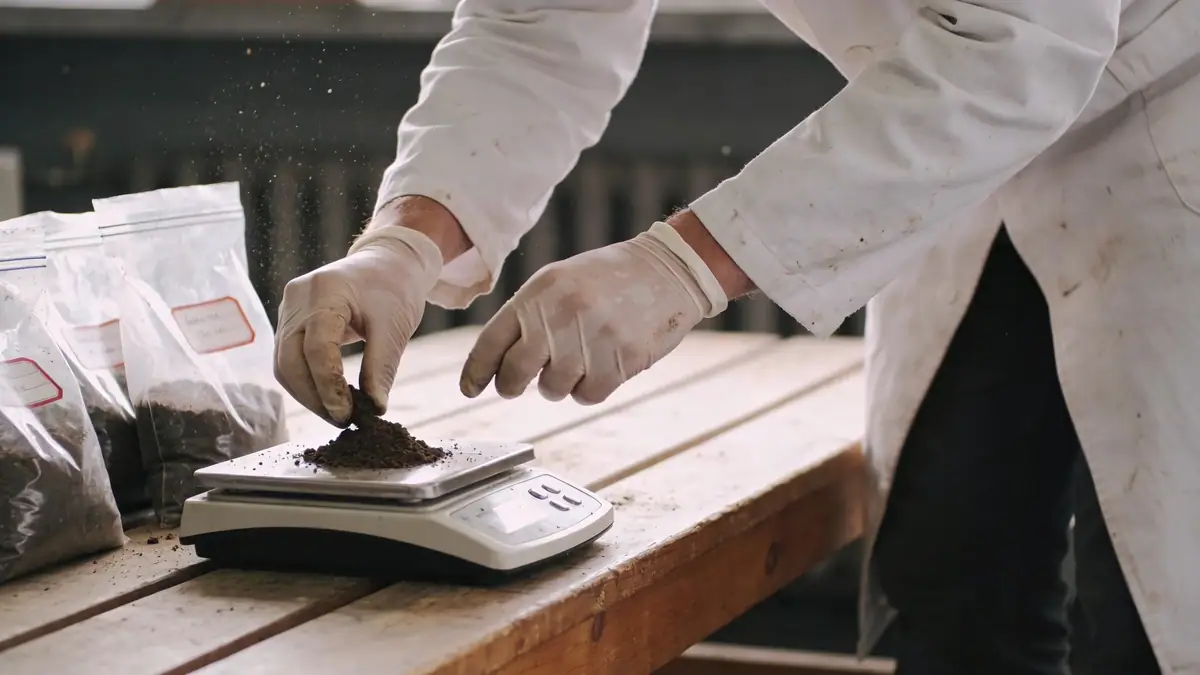
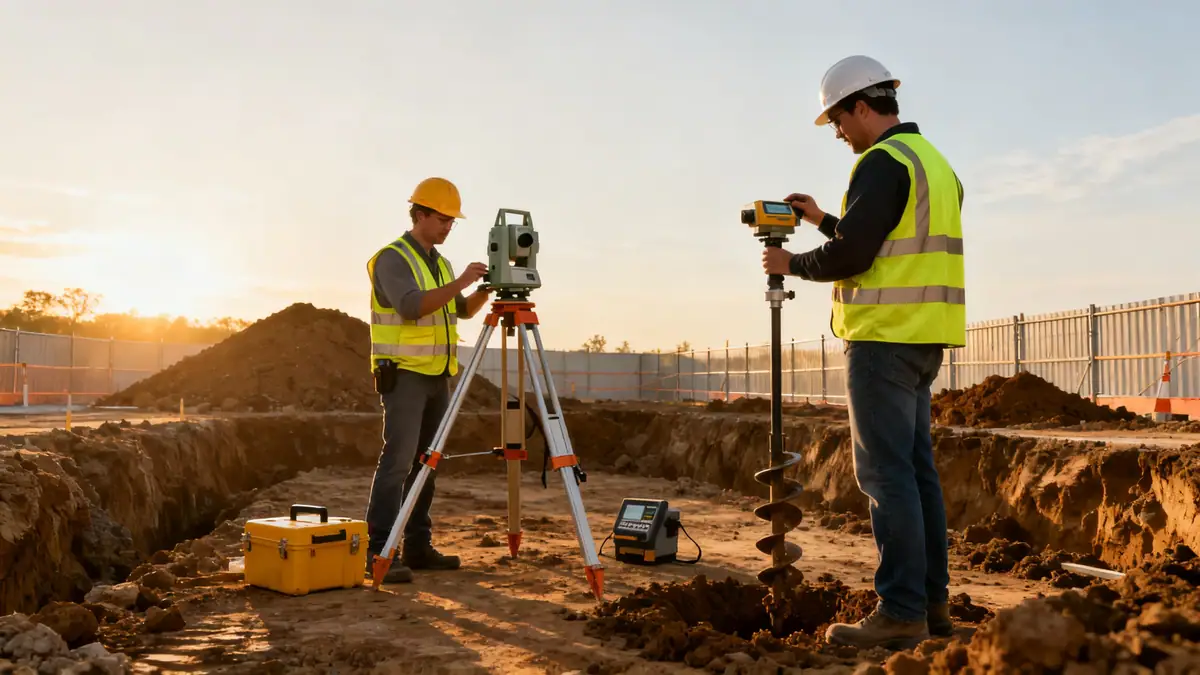
Our methodology for standard penetration test (SPT) in Wolverhampton follows ASTM D1586 procedures, employing a 63.5 kg hammer dropped 760 mm to drive a split-barrel sampler. We perform tests at 1.0 to 1.5 m intervals to depths of 15–30 m, depending on project scale. The recorded N-values are corrected for overburden and energy efficiency to yield N60 values, which are correlated with soil strength and density. For continuous profiling, we also offer cone penetration test (cpt) services. Our approach integrates real-time field data with laboratory analysis to deliver reliable geotechnical parameters.
Reference Technical Parameters
| Parameter | Reference Value |
|---|---|
| Predominant soil type | Glacial till (boulder clay) over Coal Measures sandstone and mudstone |
| Typical N60 range | 8–25 (clay); 20–50 (sandstone) |
| Maximum seismic acceleration (PGA) | 0.08–0.12 g (seismic hazard low to moderate per UK National Annex to Eurocode 8) |
| Typical groundwater level | 3–8 m below ground level, variable with season |
| Bedrock depth | 5–15 m (sandstone bedrock) |
Local Considerations — Wolverhampton
Wolverhampton's subsurface is dominated by glacial till, a stiff clay with cobbles, overlying Coal Measures strata—sandstone, mudstone, and coal seams. This sequence creates variable bearing capacity, with potential for mine workings locally. Groundwater is generally shallow (3–8 m), requiring dewatering considerations. Seismic hazard is low (PGA < 0.12 g), but liquefaction potential in loose sands beneath the till must be assessed. Our team advises on appropriate investigation depths, often 10–20 m for medium-rise structures. For regional expertise, we collaborate with our standard penetration test en Birmingham team to deliver consistent quality across the West Midlands.
Request a Quote
Our team reviews your project and issues an initial report at no cost.
Or write us directly at [email protected]
Services in Wolverhampton
Applicable Standards
- ASTM D1586
- BS 5930
- Eurocode 7 (BS EN 1997-2)
- Eurocode 8 (BS EN 1998-5)
Frequently Asked Questions
What are the typical soil conditions encountered during standard penetration test in Wolverhampton?
Wolverhampton soils primarily consist of glacial till (boulder clay) with variable cobble content, underlain by Coal Measures sandstone and mudstone. The till is stiff to very stiff, often with high plasticity, while sandstone provides firm bearing strata. Standard penetration test (SPT) N60 values typically range from 8 to 25 in clay and 20 to 50 in sandstone.
Is seismic design required for foundations in Wolverhampton?
According to the UK National Annex to Eurocode 8, Wolverhampton falls in a low to moderate seismic zone with peak ground acceleration (PGA) of 0.08–0.12 g. Seismic design is generally not critical for typical structures, but site-specific seismic response analysis may be required for essential facilities or soft soil profiles.
Are geotechnical investigations mandatory for construction projects in Wolverhampton?
Yes, under UK building regulations and Eurocode 7, a ground investigation is mandatory for all new structures to ensure safe foundation design. Local planning authorities often require a standard penetration test (SPT) or cone penetration test (CPT) to assess soil parameters, particularly in areas with known mine workings or variable glacial deposits.