Methodology
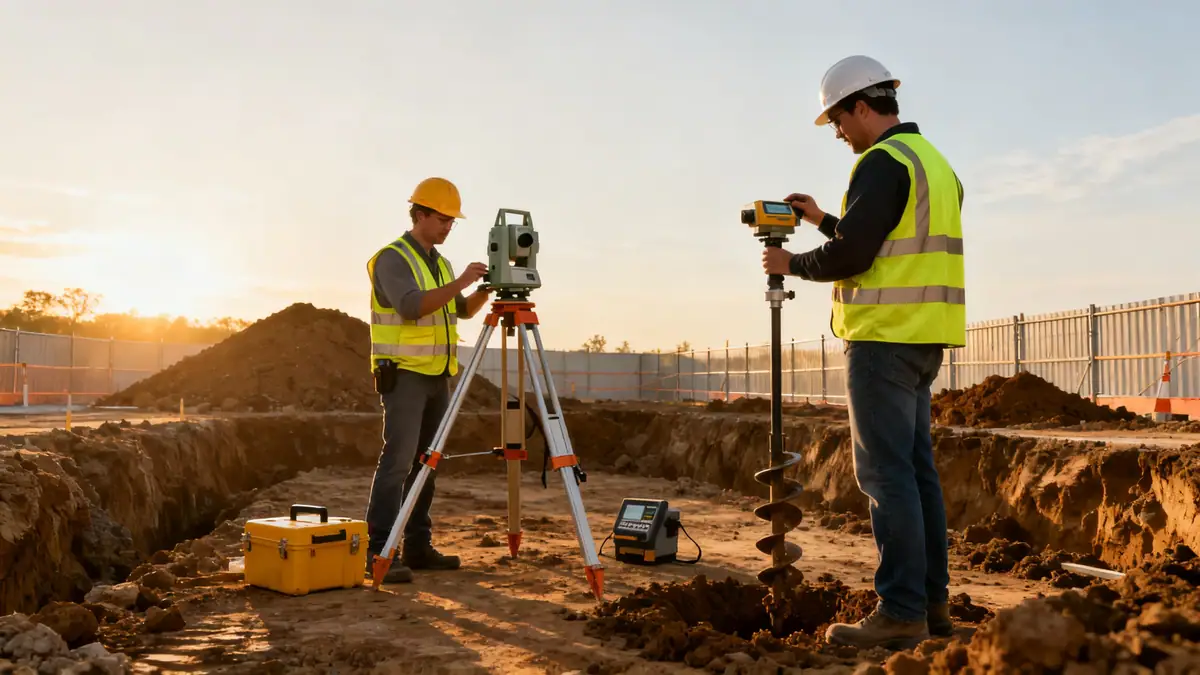
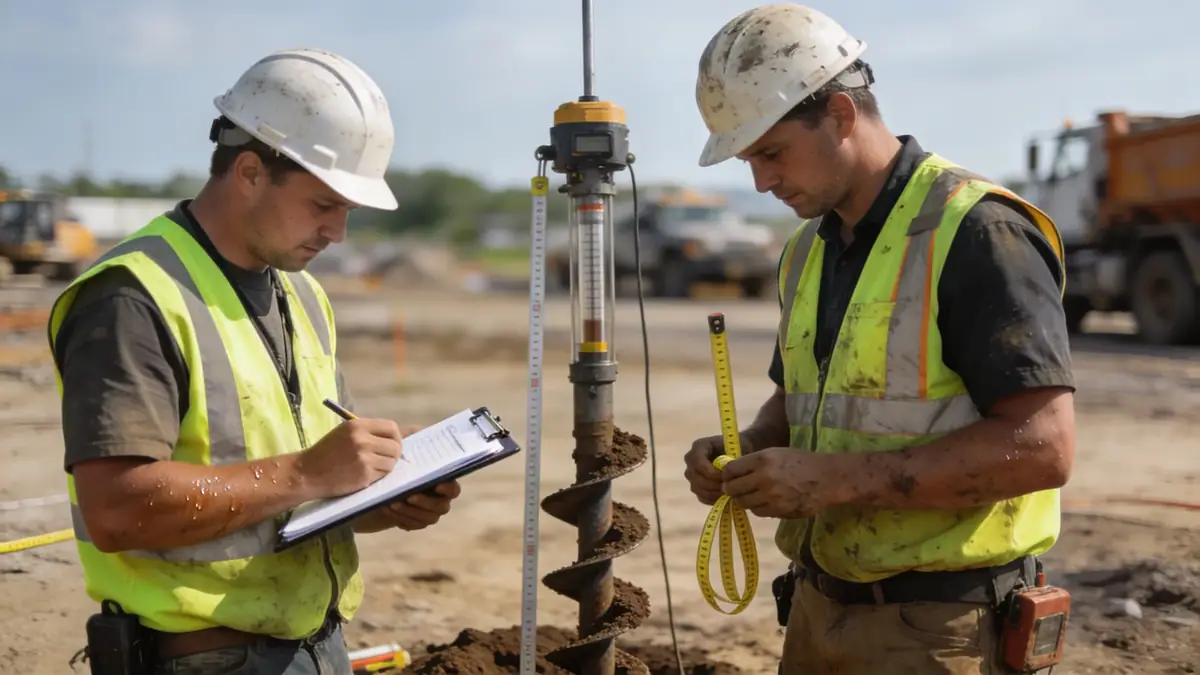
Our standard penetration test methodology in Wigan follows British Standard BS 5930 and ASTM D1586, ensuring consistent and comparable results across sites. The SPT involves driving a split-barrel sampler into the soil using a 63.5 kg hammer falling 760 mm, recording blow counts per 300 mm penetration. We typically conduct tests at 1.0 to 1.5 m intervals to a depth of 15 m for residential projects, extending to 30 m for industrial structures. Energy efficiency is calibrated via a load cell, achieving a nominal 60% efficiency. For further details, see our standard penetration test (spt) service page.
Reference Technical Parameters
| Parameter | Reference Value |
|---|---|
| Predominant soil type | Glacial till (boulder clay) with sand and gravel lenses |
| Maximum seismic acceleration (PGA) | 0.05g to 0.10g (low seismicity, per Eurocode 8 UK National Annex) |
| Typical groundwater level | 2–5 m below ground surface, varies seasonally |
| Bedrock depth | Variable; typically 10–30 m (Carboniferous Coal Measures) |
| Typical N60 range | 10–30 blows/300 mm in till; 5–15 in alluvial zones |
Local Considerations — Wigan
Wigan's subsurface is dominated by glacial till, underlain by Carboniferous Coal Measures, with alluvial deposits along the River Douglas and mill ponds. Groundwater levels are shallow (2–5 m) in low-lying areas, requiring dewatering considerations for deep excavations. Seismic hazard is low (PGA <0.10g), but site-specific response analysis may be needed for sensitive structures. Land use ranges from brownfield sites in the town centre to greenfield developments in suburbs like Standish and Ashton. Typical projects include housing foundations, road embankments, and industrial slabs. For dynamic soil profiling, our dpsh dynamic probing service offers complementary data.
Request a Quote
Our team reviews your project and issues an initial report at no cost.
Or write us directly at [email protected]
Services in Wigan
Applicable Standards
- BS 5930:2015 (Code of practice for ground investigations)
- ASTM D1586 (Standard Test Method for Standard Penetration Test)
- Eurocode 7 (EN 1997-1 and EN 1997-2)
- Eurocode 8 (EN 1998-5, seismic site response UK NA)
Frequently Asked Questions
What are the typical soil types encountered in Wigan during standard penetration tests?
Wigan's soils are predominantly glacial till (boulder clay) with interbedded sand and gravel lenses. Alluvial deposits occur along river valleys, and made ground is common in former industrial areas. The Carboniferous bedrock (sandstone, mudstone, coal) lies at variable depth.
Is seismic site classification required for standard penetration test projects in Wigan?
Yes, although Wigan has low seismicity (PGA <0.10g), Eurocode 8 requires ground type classification based on SPT N-values and shear wave velocity. For structures in seismic design categories, site-specific response analysis may be necessary to determine amplification factors.
Are standard penetration tests mandatory for building permits in Wigan?
While not universally mandated, local building control and NHBC guidelines typically require a geotechnical investigation for new foundations. SPTs are the preferred method for bearing capacity assessment and liquefaction potential evaluation in the region.