Methodology
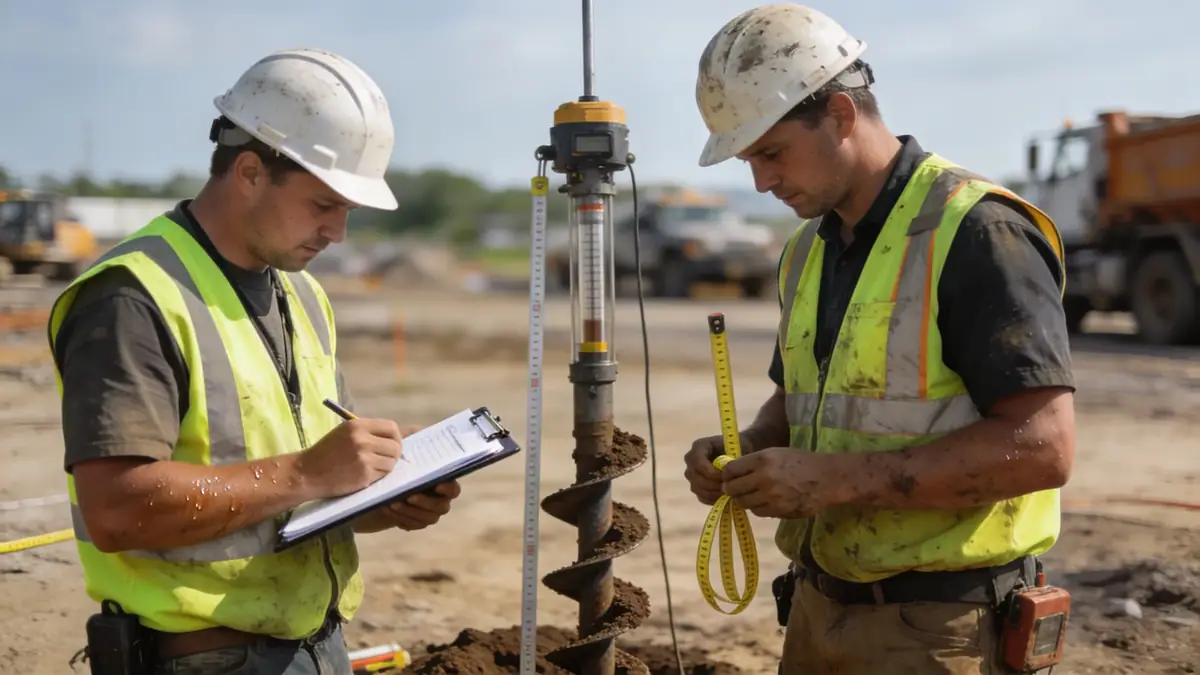
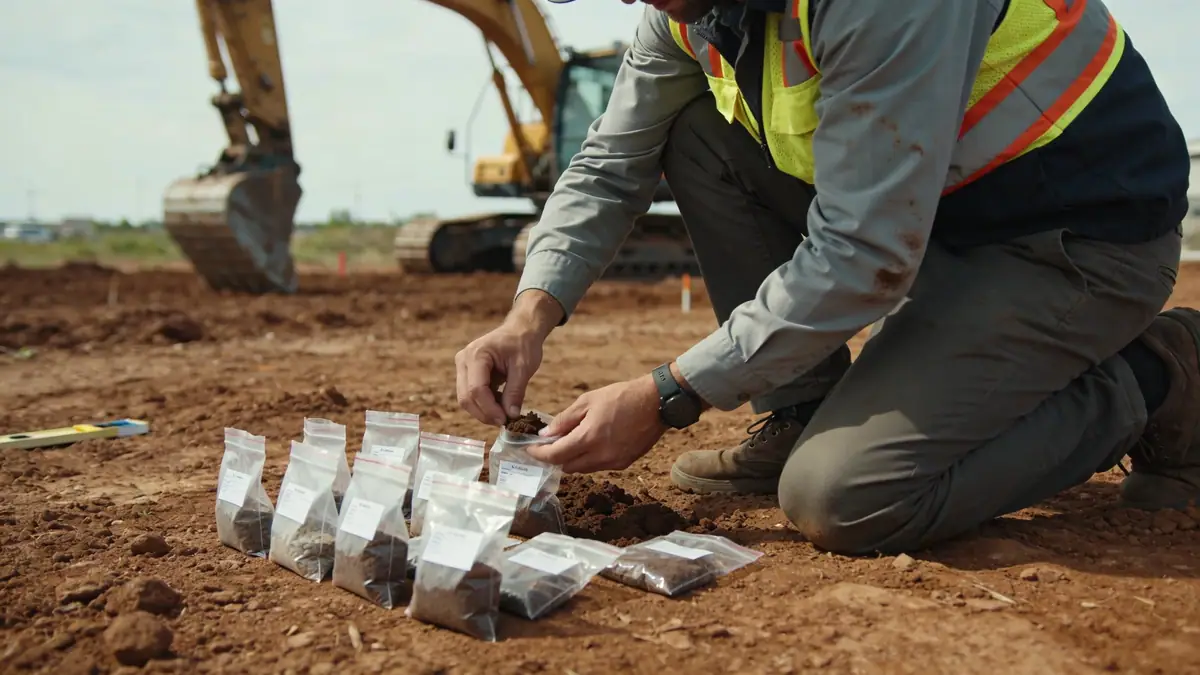
Our methodology for standard penetration test in Reading follows the rigorous procedures of ASTM D1586 and BS 5930. We deploy trained crews to perform SPT at regular intervals, typically every 1.0 to 1.5 meters, to obtain N-values that characterize soil strength and stratigraphy. The split-spoon sampler is driven 450 mm, with blows counted for each 150 mm increment. Our team records the first 150 mm (seating drive) and sums the next 300 mm to yield N60 values. This data, combined with continuous sampling, provides a detailed profile of Reading's alluvial and terrace deposits. We integrate results with cone penetration test (CPT) soundings where needed, ensuring comprehensive geotechnical characterization. All drilling and testing comply with current UK health and safety standards.
Reference Technical Parameters
| Parameter | Reference Value |
|---|---|
| Predominant soil type | Alluvial clays, silts, sands and gravels overlying chalk and Tertiary deposits |
| Maximum seismic acceleration (PGA) | 0.05g to 0.10g (low seismicity, per UK National Annex to Eurocode 8) |
| Typical groundwater level | 1.5 to 4 m below ground surface, seasonal variation |
| Bedrock depth | 10 to 30 m (Chalk bedrock under drift cover) |
| Typical N60 range (SPT) | 5–15 in clays, 10–30 in sands/gravels, >50 in chalk |
Local Considerations — Reading
Reading's geology is dominated by Thames River alluvium and river terrace deposits, overlying Cretaceous Chalk. The alluvium typically comprises soft clays and loose sands, with groundwater levels near the surface, especially in low-lying areas. In contrast, higher terraces (e.g., Caversham) feature more competent sands and gravels with deeper water tables. Our team adapts SPT procedures accordingly: in soft alluvium, we use smaller diameter drill rods to minimize disturbance, while in gravelly deposits, we may employ larger samplers to avoid refusal. We also account for the low seismicity of the region (PGA up to 0.10g) per Eurocode 8. For projects requiring continuous profiling, we recommend our cone penetration test (cpt) services. Additionally, our standard penetration test (spt) operations are calibrated to local conditions, ensuring reliable data for foundation design across Reading's diverse neighbourhoods.
Request a Quote
Our team reviews your project and issues an initial report at no cost.
Or write us directly at [email protected]
Services in Reading
Applicable Standards
- ASTM D1586
- BS 5930
- Eurocode 7
- Eurocode 8 (UK National Annex)
Frequently Asked Questions
What soil conditions are typically encountered in Reading?
Reading's subsurface consists of alluvial clays, silts, sands, and gravels overlying chalk bedrock. The Thames Valley deposits vary from soft compressible clays in floodplains to dense sands and gravels in terrace areas. Groundwater is often shallow, particularly near the river.
Does Reading require seismic considerations for standard penetration test?
Reading is in a low seismicity region per the UK National Annex to Eurocode 8, with peak ground acceleration up to 0.10g. While seismic design is not typically critical, SPT data helps assess liquefaction potential in loose saturated sands, especially for important structures.
Are standard penetration tests mandatory for building permits in Reading?
For most residential and commercial projects, a geotechnical investigation including SPT is recommended by building regulations and Eurocode 7. Local planning authorities may require site-specific ground information, especially for larger developments or in areas with variable alluvial soils.