Methodology
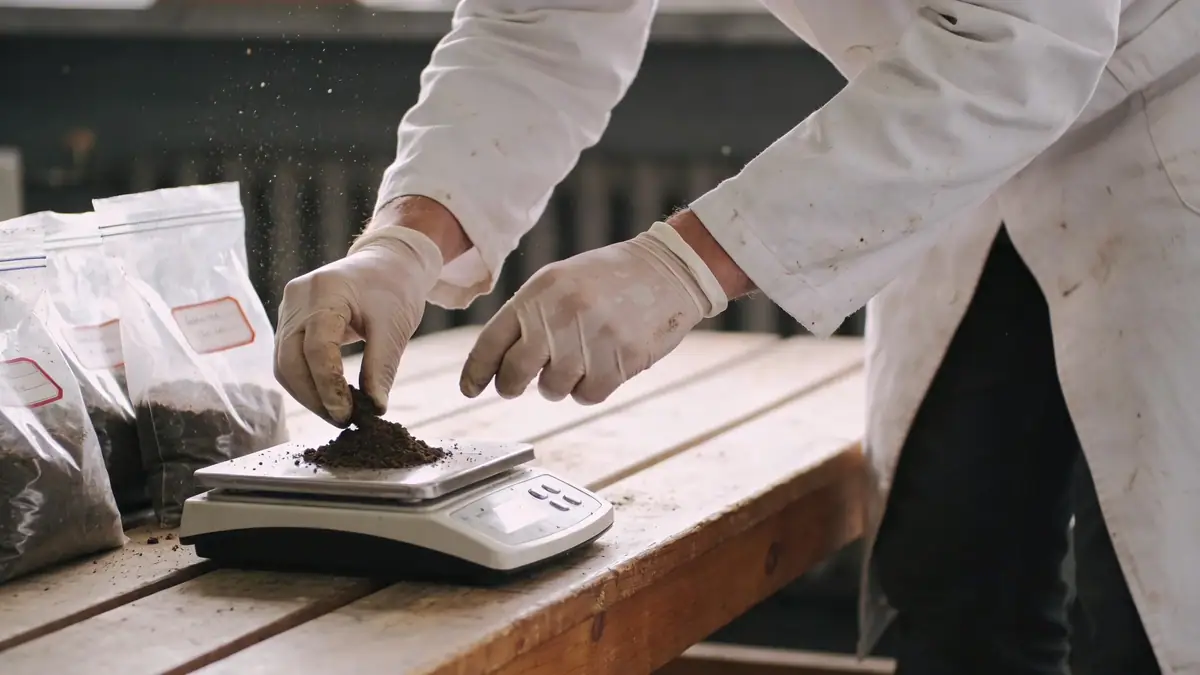
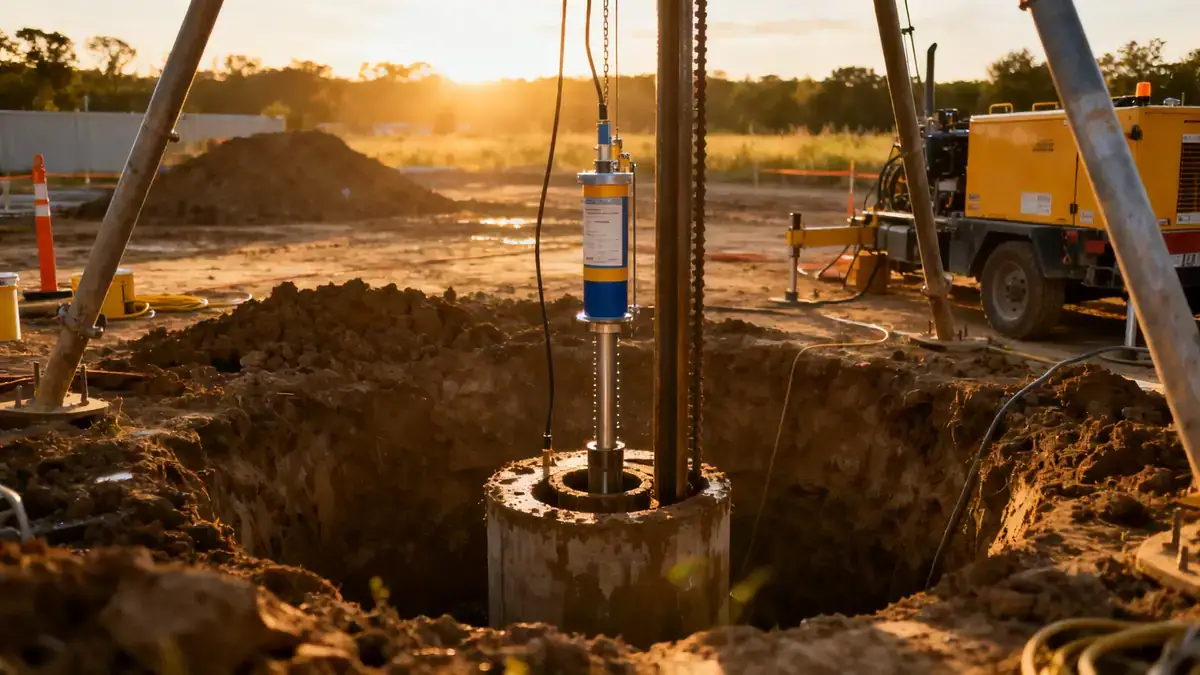
Our approach to standard penetration test (SPT) in Plymouth follows ASTM D1586 procedures, using a 63.5 kg hammer dropped 760 mm to drive a split-barrel sampler. We perform SPT at 1.5 m intervals in cohesive soils and 1.0 m intervals in granular strata, recording blow counts per 150 mm penetration to determine N-values. In soft alluvial clays, we supplement SPT with cone penetration test (cpt) for continuous profiling. Boreholes are advanced using rotary coring or cable percussion methods, depending on the presence of cobbles or bedrock. All testing is supervised by experienced geotechnical engineers, with soil samples logged and classified according to BS 5930. This methodology ensures robust data for foundation design in Plymouth's variable ground.
Reference Technical Parameters
| Parameter | Reference Value |
|---|---|
| Predominant soil type | Devonian slate with superficial head and alluvium |
| Maximum seismic acceleration (PGA) | 0.10g to 0.15g (UK National Annex to Eurocode 8) |
| Typical groundwater level | 1.0–3.0 m below ground surface in valley areas |
| Bedrock depth | Variable; 5–20 m in urban areas, shallower on hills |
| Typical N60 range | 10–30 blows/300 mm in dense sands; 5–15 in soft clays |
Local Considerations — Plymouth
Plymouth's ground conditions are heavily influenced by its coastal location and geological history. The city center and waterfront areas are built on reclaimed land and alluvial deposits, where shallow groundwater and soft soils require careful foundation design. On the higher ground of Mutley and Hartley, Devonian bedrock is closer to the surface, often within 3-5 m, allowing for shallow foundations. Seismic hazard is low but considered per Eurocode 8, with peak ground accelerations of 0.10-0.15g. Our team has extensive experience across Plymouth, from the Royal William Yard redevelopment to residential projects in Plymstock. For regional context, we also offer standard penetration test en Bristol for clients with projects in the wider South West.
Request a Quote
Our team reviews your project and issues an initial report at no cost.
Or write us directly at [email protected]
Services in Plymouth
Applicable Standards
- ASTM D1586
- BS 5930:2015
- Eurocode 7 (BS EN 1997-1 and 1997-2)
- Eurocode 8 (BS EN 1998-1 and 1998-5)
Frequently Asked Questions
What are the typical soil conditions encountered during standard penetration testing in Plymouth?
Plymouth's subsurface typically comprises Devonian slates and mudstones overlain by superficial deposits of head, alluvium, and coastal sands. In valley bottoms, soft clays and silts with peat layers are common, while hillsides feature firm to stiff clays with rockhead at shallow depths. Groundwater is often encountered within 2 m in low-lying areas.
Is seismic design a concern for geotechnical investigations in Plymouth?
Seismic hazard in Plymouth is low to moderate according to the UK National Annex to Eurocode 8, with peak ground accelerations of 0.10g to 0.15g for the 475-year return period. While not a primary driver, soil liquefaction potential in loose saturated sands should be assessed for critical infrastructure. Our SPT data helps evaluate this risk.
Are geotechnical investigations mandatory for construction projects in Plymouth?
While the UK Building Regulations do not explicitly mandate SPT, Part A (Structure) requires that foundations be designed based on adequate ground investigation. Local planning authorities in Plymouth often request a geotechnical report for major developments, particularly in areas with variable ground conditions or near the coast. Our standard penetration test provides the necessary data.