Methodology
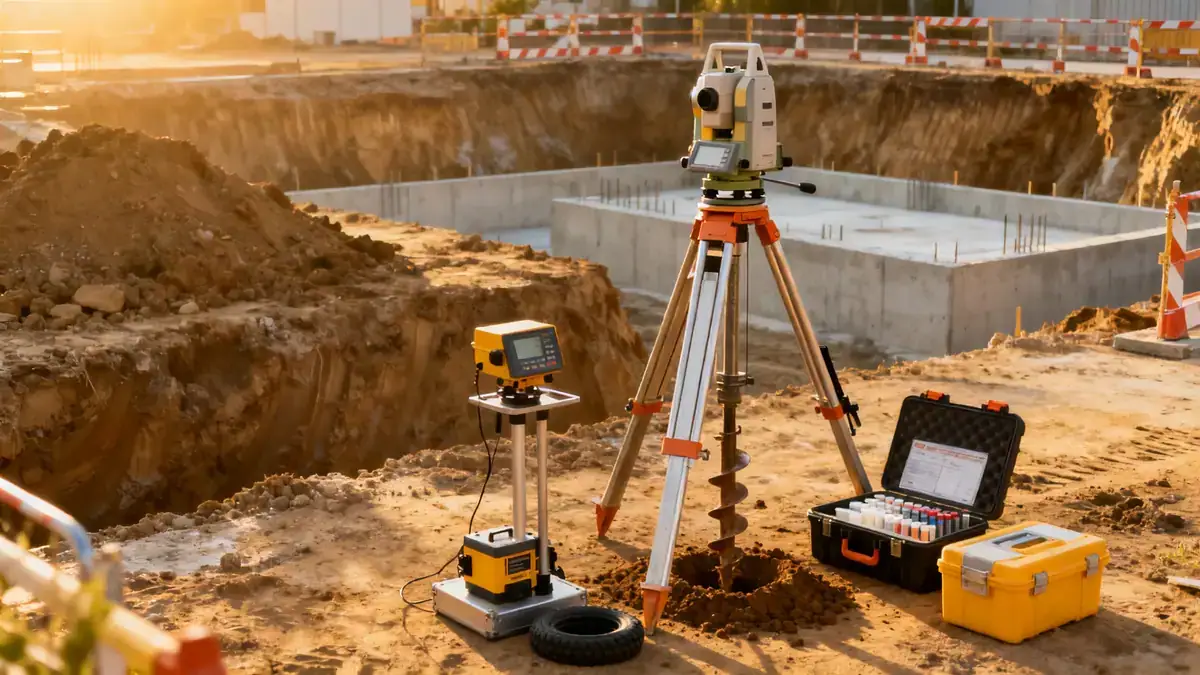
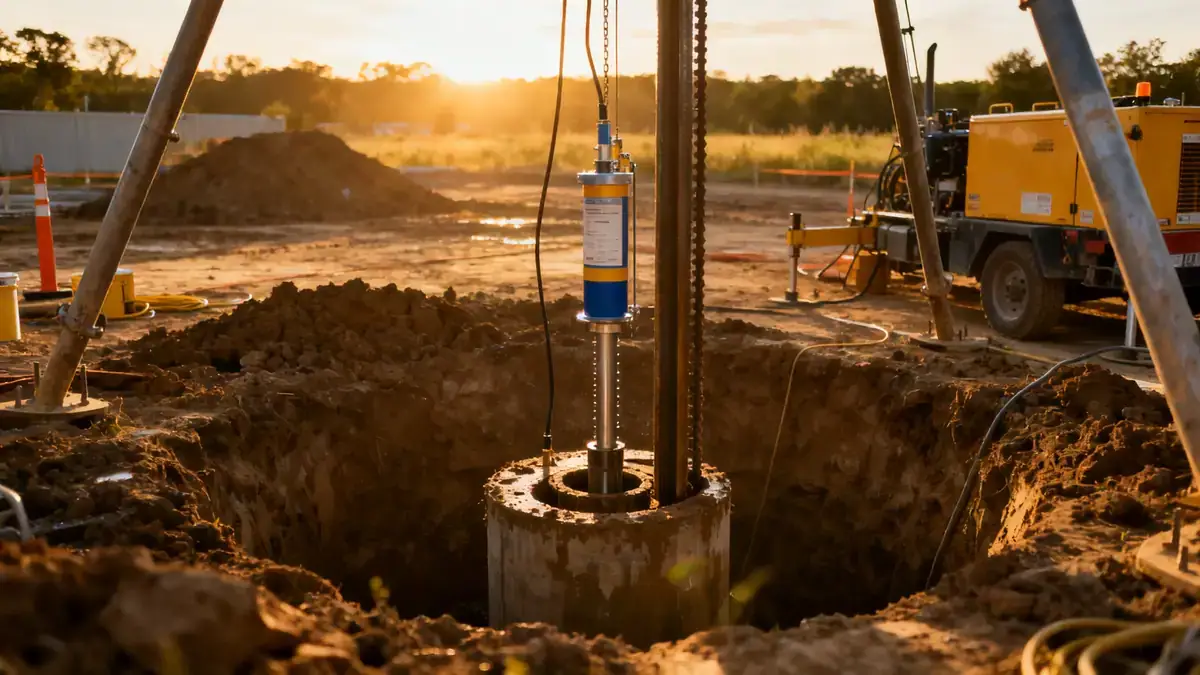
Our methodology for standard penetration test in Peterborough follows established procedures, including standard penetration test (spt) as per ASTM D1586. We deploy continuous flight auger and percussion drilling rigs to advance boreholes, with SPT performed at 1.0 to 1.5 m intervals. Sampling tubes recover disturbed and undisturbed samples for laboratory testing. We record blow counts (N-value) and adjust for overburden and hammer energy efficiency. Our team integrates SPT results with dpsh dynamic probing for complementary profiling in cohesive soils.
Reference Technical Parameters
| Parameter | Reference Value |
|---|---|
| Predominant soil type | Jurassic clay (Oxford Clay, Kellaways Sand) and river terrace gravels |
| Typical N60 range | 5-15 in clays; 20-40 in sands/gravels |
| Maximum seismic acceleration (PGA) | 0.10g (UK seismic hazard map, return period 475 years) |
| Typical groundwater level | 2-5 m below ground surface (seasonal variation) |
| Bedrock depth | >50 m (Jurassic mudstone and limestone) |
Local Considerations — Peterborough
Peterborough's subsurface is characterised by glacial till overlying Jurassic clays, with river terrace deposits along the Nene Valley. Groundwater levels fluctuate seasonally, requiring careful dewatering considerations. Seismic hazard is low per UK standards (PGA up to 0.10g), but dynamic probing may supplement SPT in stiff clays. Contrasts exist between central urban areas (fill and made ground) and suburban greenfield sites (intact till). Typical projects include residential foundations and light industrial developments. Our team leverages regional experience and references to local case histories. For projects requiring broader context, our standard penetration test en London operations offer extended capabilities.
Request a Quote
Our team reviews your project and issues an initial report at no cost.
Or write us directly at [email protected]
Services in Peterborough
Applicable Standards
- ASTM D1586
- BS 5930
- Eurocode 7
- UK National Annex to BS EN 1997-2
Frequently Asked Questions
What soil types are commonly encountered in Peterborough?
Peterborough's geology consists mainly of Jurassic clays (Oxford Clay) and river terrace deposits of sand and gravel. These materials exhibit variable strength and compressibility, requiring careful assessment via SPT for foundation design.
Is seismic analysis required for SPT in Peterborough?
Seismic hazard in Peterborough is low, but Eurocode 7 and UK National Annex require consideration. Peak ground acceleration is approximately 0.10g for a 475-year return period. SPT data can be used for liquefaction assessment in loose sands if present.
Are geotechnical investigations mandatory for construction in Peterborough?
While not always legally required, building regulations and insurance typically demand a site investigation for new structures. SPT is a standard method to satisfy ground risk assessment requirements under UK guidance.