Methodology
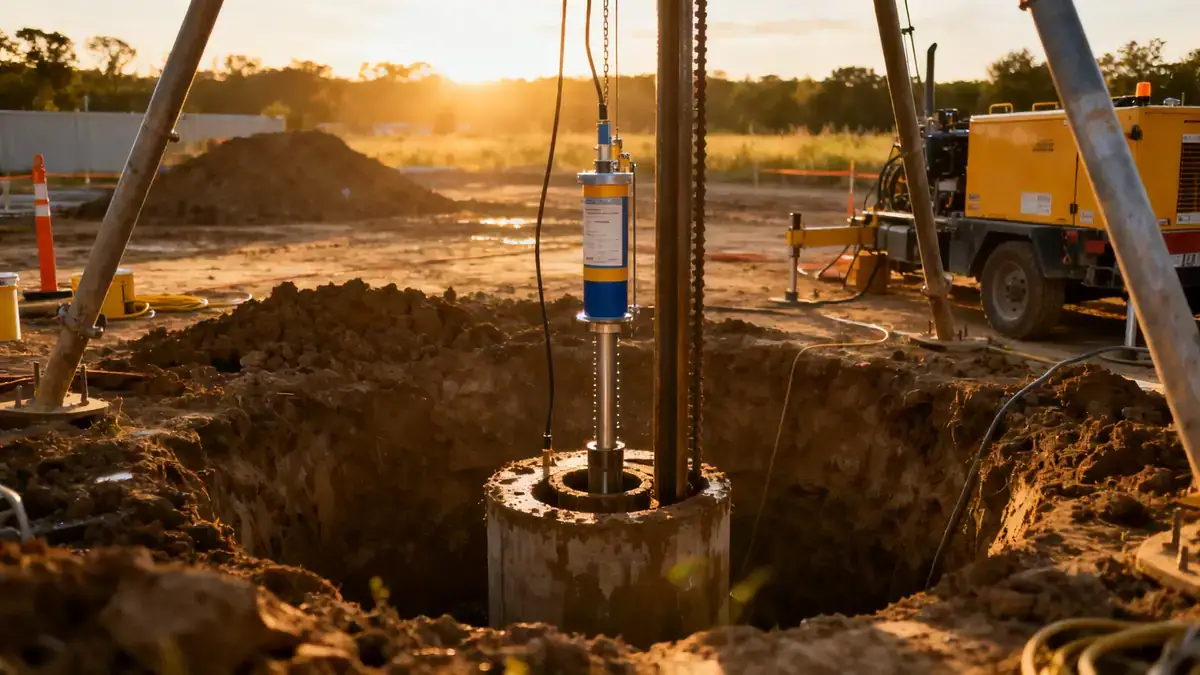
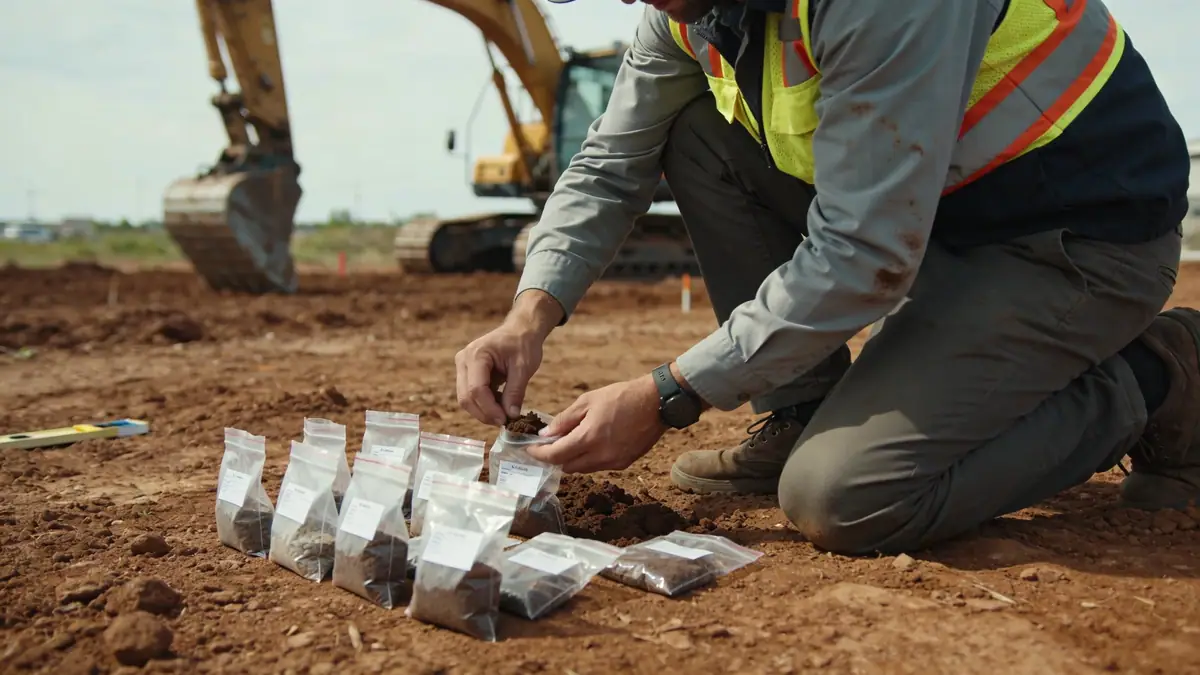
Our methodology for standard penetration test in Norwich follows the procedures outlined in BS 5930 and Eurocode 7. We conduct SPT at regular intervals, typically every 1.0 to 1.5 metres, using a standard 63.5 kg hammer dropped 760 mm. The test records blow counts for each 150 mm increment, with N-values corrected for energy efficiency. Our team also offers complementary services such as cone penetration test (cpt) to provide continuous stratigraphic profiles. Data is analysed in accordance with UK guidance to derive soil strength and stiffness parameters for design.
Reference Technical Parameters
| Parameter | Reference Value |
|---|---|
| Predominant soil type | Glacial till, river terrace gravels, and alluvium |
| Maximum seismic acceleration (PGA) | 0.10–0.15 g (UK seismic hazard map, 475-year return period) |
| Typical groundwater level | 2–5 m below ground level (seasonal variation) |
| Bedrock depth | Variable, typically >20 m (chalk or Lower Cretaceous formations) |
| Typical N60 range | 10–30 (glacial till), 5–15 (alluvium) |
Local Considerations — Norwich
Norwich's geology is dominated by glacial till and river terrace deposits, with groundwater levels sensitive to seasonal recharge. The city's seismic hazard is low (PGA <0.15 g), but Eurocode 8 still requires site-specific response spectra. Projects in the historic centre often encounter existing foundations and services, necessitating careful planning. Our experience includes high-rise residential and commercial schemes. For clients requiring broader coverage, we also offer standard penetration test en London through our established hub. Additionally, our dpsh dynamic probing service provides rapid profiling for linear infrastructure.
Request a Quote
Our team reviews your project and issues an initial report at no cost.
Or write us directly at [email protected]
Services in Norwich
Applicable Standards
- BS 5930:2015 (Code of practice for ground investigations)
- Eurocode 7 (BS EN 1997-1 and 1997-2)
- Eurocode 8 (BS EN 1998-5:2004, seismic design)
- ASTM D1586 (Standard Test Method for SPT)
Frequently Asked Questions
What are the typical soil conditions encountered during standard penetration test in Norwich?
Norwich soils predominantly consist of glacial till, river terrace gravels, and alluvium. The till is dense to very dense, providing moderate to high N-values. Alluvial deposits are softer, with lower blow counts. Groundwater is commonly encountered at depths of 2 to 5 metres, requiring dewatering or casing.
What seismic design requirements apply to construction in Norwich?
Norwich lies in a low seismicity zone per UK seismic hazard maps. Eurocode 8 requires site classification based on shear wave velocity, but peak ground acceleration rarely exceeds 0.15 g. For standard penetration test data, we correlate N-values to Vs30 for site class A or B, simplifying seismic analysis.
Are geotechnical investigations mandatory for building projects in Norwich?
While not legally mandatory for all projects, BS 5930 and Eurocode 7 strongly recommend ground investigations for any structure. Local authorities typically require a geotechnical report for planning approval, especially for larger developments. Our standard penetration test in Norwich provides essential data for foundation design.