Methodology
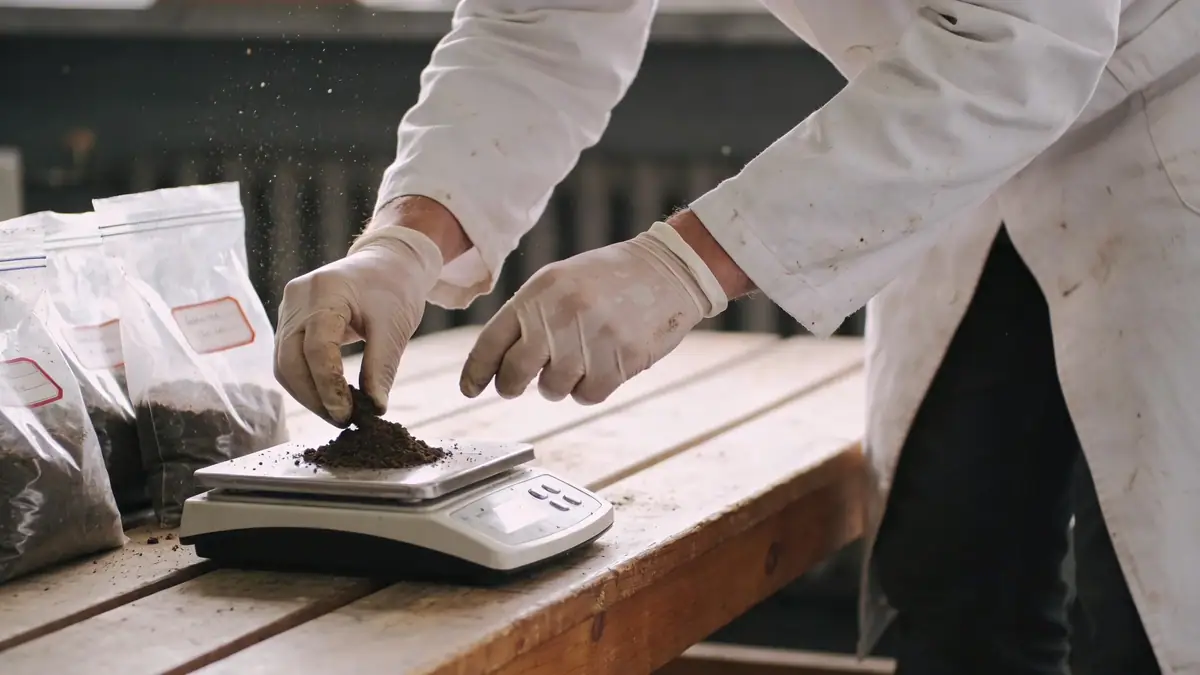
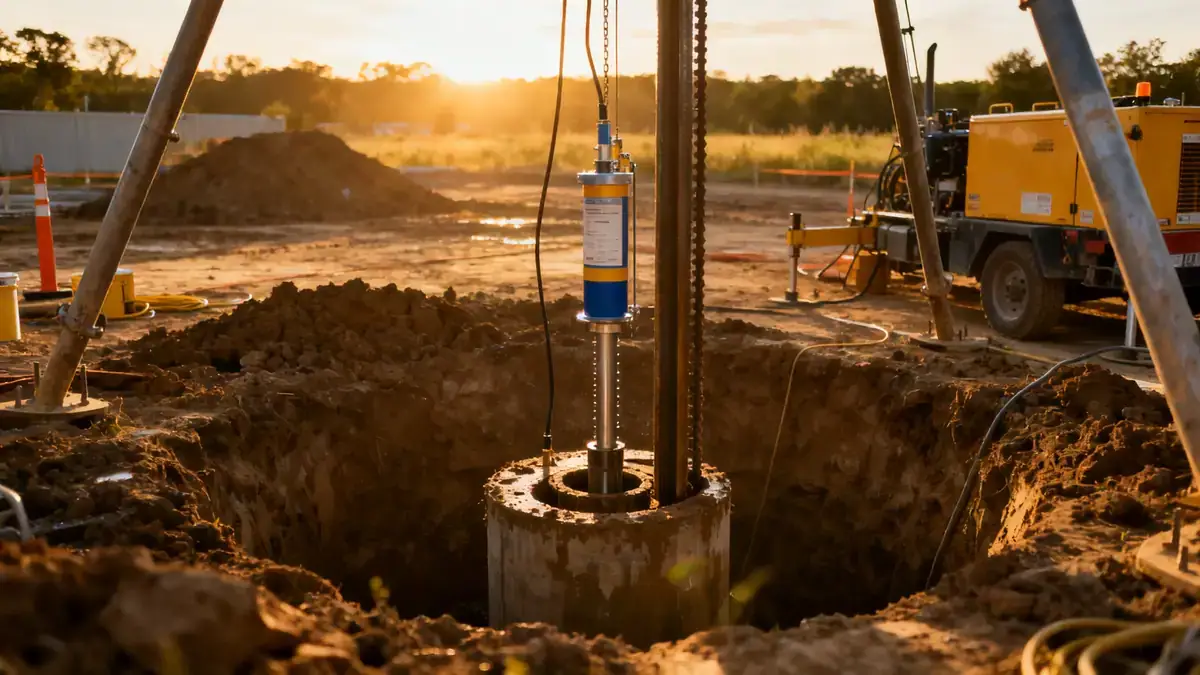
Our methodology for standard penetration test in Liverpool follows ASTM D1586, with a standard 63.5 kg hammer dropped 760 mm to drive a split-spoon sampler. Sampling intervals are typically 1.0–1.5 m, with continuous sampling in critical zones. We record blow counts per 150 mm increment, correcting for overburden and rod length to obtain N60 values. For comprehensive soil profiling, we complement SPT with cone penetration test (cpt) where continuous stratigraphic data is required. All testing is supervised by experienced geotechnical engineers to ensure data quality.
Reference Technical Parameters
| Parameter | Reference Value |
|---|---|
| Predominant soil type | Glacial till (boulder clay) and alluvial sands/silts |
| Typical groundwater depth | 2–5 m below ground level |
| Maximum seismic acceleration (PGA) | 0.05–0.10 g (UK Zone 1) |
| Bedrock depth | 20–50 m (sandstone/mudstone) |
| Typical N60 range (glacial till) | 15–45 blows/300 mm |
Local Considerations — Liverpool
Liverpool's geology presents variable ground conditions. Glacial till deposits can contain cobbles and boulders, requiring careful SPT hammer calibration and frequent bit changes. Alluvial zones near the Mersey may exhibit soft clays and high groundwater, necessitating casing or drilling fluid. In historic districts like the Georgian Quarter, fill from past construction may be encountered. Our standard penetration test services in Liverpool account for these factors, with flexible sampling intervals to capture heterogeneities. For projects in areas with deep soft deposits, we recommend dpsh dynamic probing to assess deeper strata. Our team in Liverpool coordinates with local regulators to ensure compliance with British Standards and Eurocode 7.
Request a Quote
Our team reviews your project and issues an initial report at no cost.
Or write us directly at [email protected]
Services in Liverpool
Applicable Standards
- BS 5930:2015 Code of practice for ground investigations
- Eurocode 7: Geotechnical design (BS EN 1997)
- ASTM D1586 Standard Test Method for SPT
- UK Building Regulations Part A (Structure)
Frequently Asked Questions
What soil types are common in Liverpool for SPT investigations?
Liverpool's subsurface mainly consists of glacial till (boulder clay) and alluvial deposits from the Mersey. Till typically yields N60 values of 15–45, while alluvial sands and silts may be looser. SPT helps identify these strata and assess bearing capacity.
Is seismic site classification required for Liverpool projects?
Yes, Eurocode 7 requires ground type classification (A–E) based on shear wave velocity or SPT N-values. Liverpool's low seismicity (Zone 1) simplifies design, but site-specific assessment is recommended for important structures to determine soil amplification.
What is the typical depth of SPT boring in Liverpool?
For residential projects, SPT borings typically extend to 8–15 m. For industrial or high-rise buildings, depths of 20–30 m are common to reach competent glacial till or bedrock. Our team tailors depth to project requirements and ground conditions.