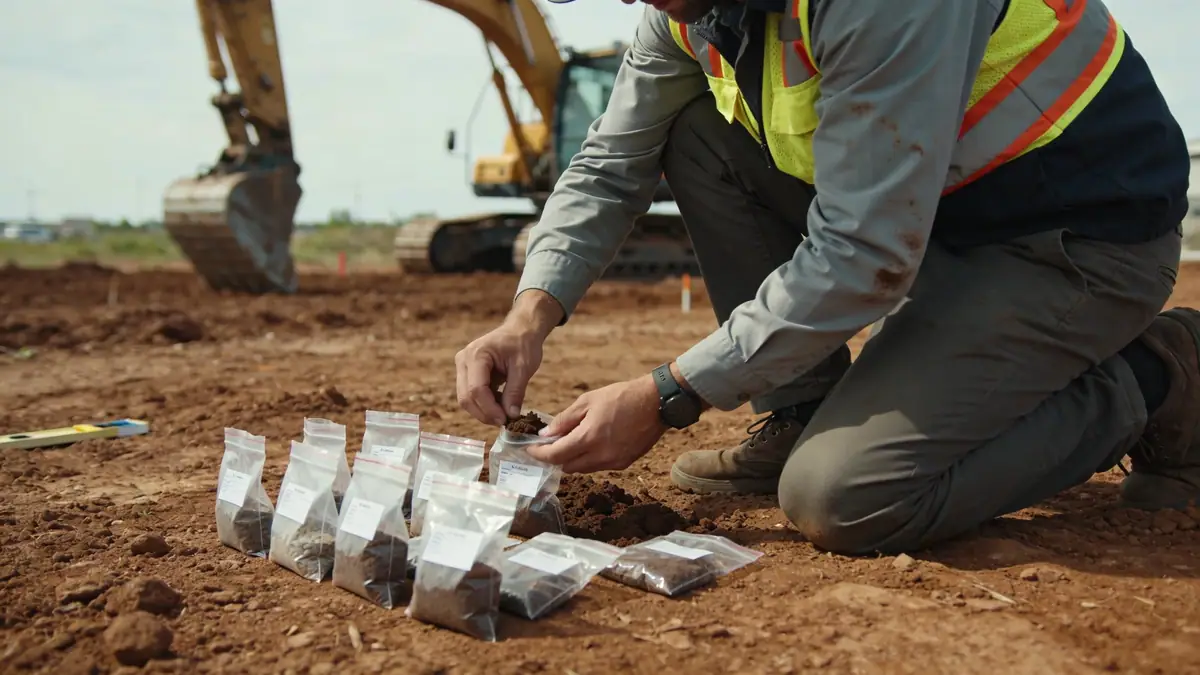
Methodology
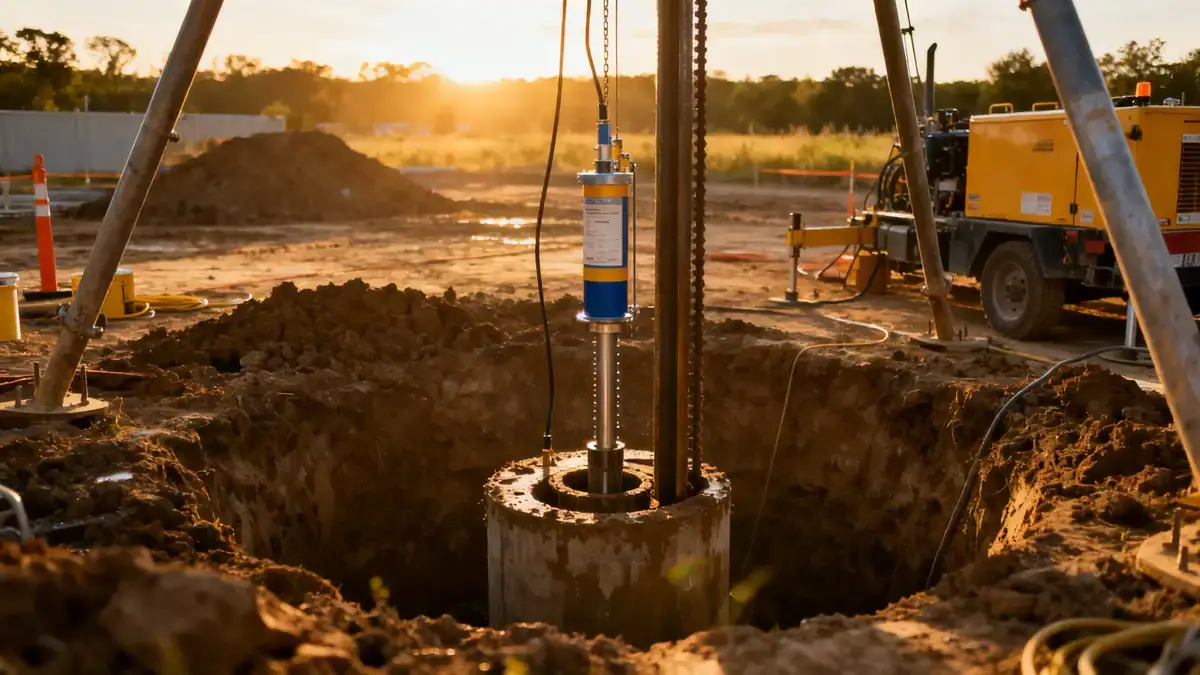
Our methodology for standard penetration tests in Ipswich follows ASTM D1586, using a 63.5 kg hammer dropped 760 mm to drive a split-barrel sampler. We typically perform tests at 1.0–1.5 m intervals to depths of 8–15 m for residential projects, and up to 30 m for industrial sites. The blow count (N-value) is recorded and corrected for overburden and hammer efficiency to obtain N60. This data is correlated with soil type, density, and strength parameters. For detailed profiling, we often combine SPT with cone penetration test (cpt) for continuous stratigraphic logging.
Reference Technical Parameters
| Parameter | Reference Value |
|---|---|
| Predominant soil type | Alluvial clays, silts, and sands over chalk |
| Maximum seismic acceleration (PGA) | 0.15g (UK seismic design category) |
| Typical groundwater level | 1.5–4 m below ground surface |
| Bedrock depth | 10–30 m (chalk formation) |
| Typical N60 range | 4–15 in alluvium; 20–50 in chalk |
Local Considerations — Ipswich
Ipswich's geology is dominated by Quaternary alluvium from the River Orwell, underlain by Cretaceous chalk. The alluvial soils are often soft to firm clays and loose sands, with groundwater levels typically shallow (1.5–4 m). Seismic hazard is low per UK standards (PGA ~0.15g), but liquefaction potential in saturated sands requires assessment. Northern areas like Rushmere have stiffer glacial till, while southern waterfront sites show deeper alluvium. Typical projects include residential foundations and flood defence works. Our experience includes numerous investigations in Ipswich, and we coordinate with our standard penetration test en London hub for larger regional projects.
Request a Quote
Our team reviews your project and issues an initial report at no cost.
Or write us directly at [email protected]
Services in Ipswich
Applicable Standards
- ASTM D1586 (Standard Test Method for Penetration Test and Split-Barrel Sampling of Soils)
- BS 5930 (Code of Practice for Ground Investigations)
- Eurocode 7 (Geotechnical Design)
- NHBC Standards (for residential foundations)
Frequently Asked Questions
What soil types are commonly encountered in Ipswich?
Ipswich typically has alluvial clays, silts, and sands near the River Orwell, with deeper chalk bedrock. Glacial till is found in northern areas. These variable conditions require careful SPT profiling to assess bearing capacity and settlement.
Is seismic design required for Ipswich?
UK seismic hazard is low, but Eurocode 7 requires consideration of seismic actions for certain structures. In Ipswich, with PGA around 0.15g, liquefaction assessment may be needed for saturated loose sands. SPT N-values help evaluate liquefaction potential.
Are geotechnical investigations mandatory for construction in Ipswich?
While not always legally required, NHBC standards and local planning authorities typically demand ground investigations for new builds. SPT is a standard method to provide design parameters for foundations, especially in variable alluvial soils.