Methodology
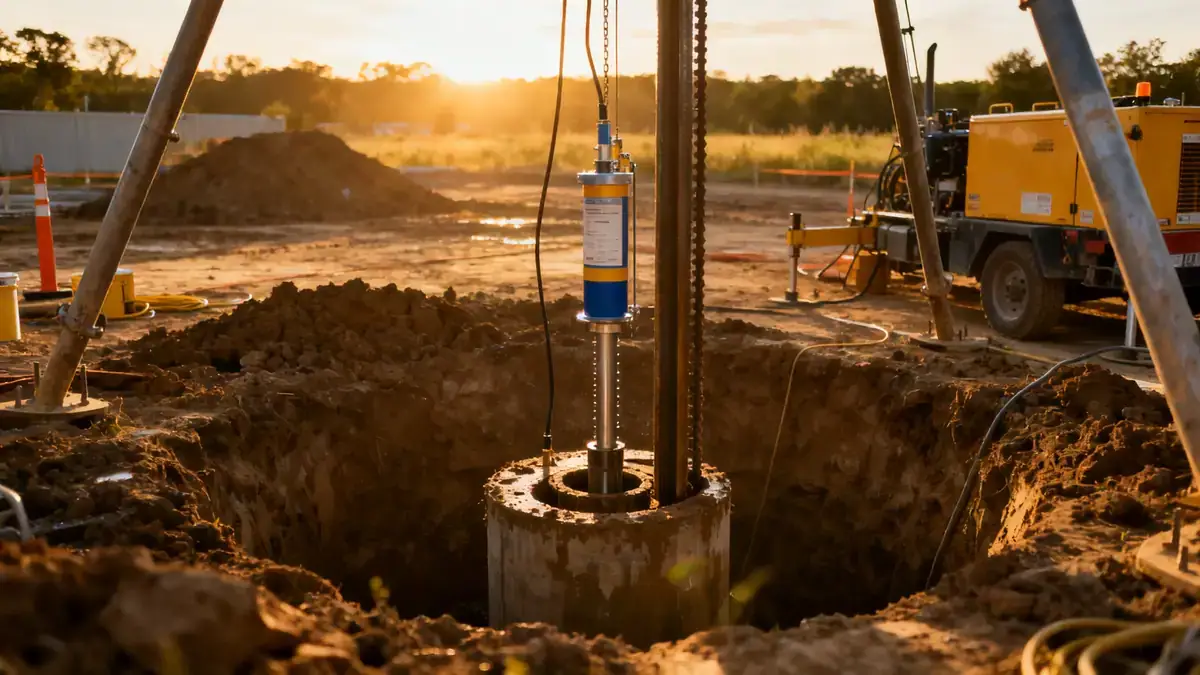
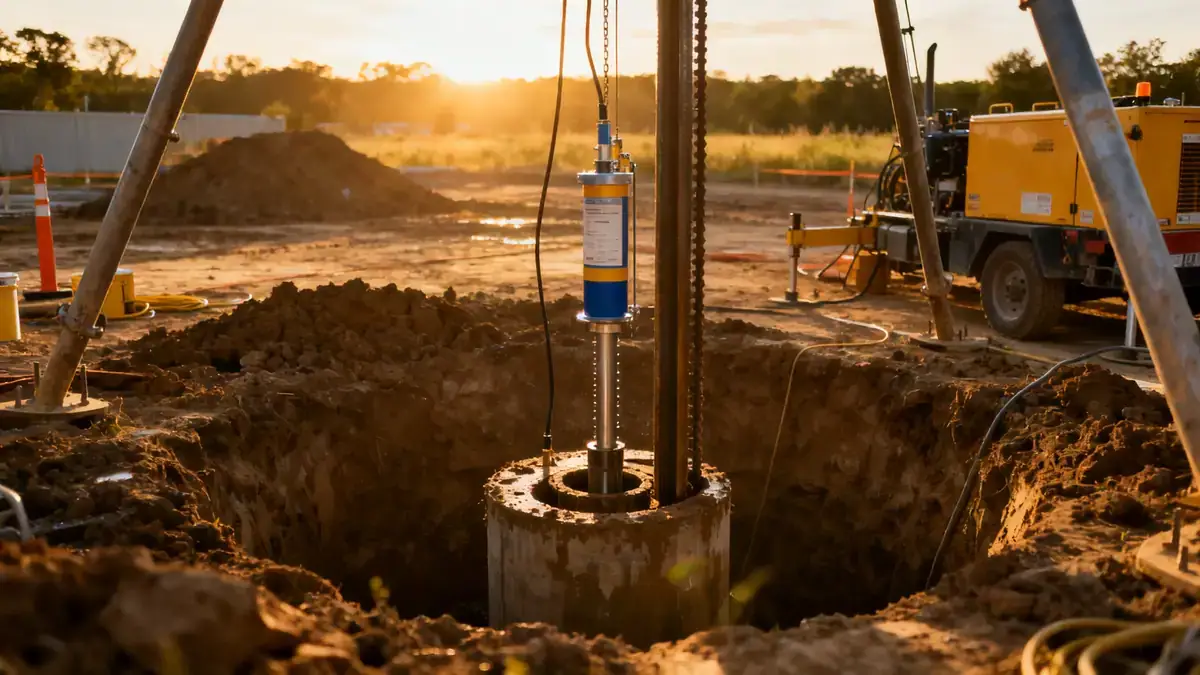
Our methodology for standard penetration test in Basildon follows ASTM D1586 and BS EN ISO 22476-3. We deploy a 63.5 kg hammer falling 760 mm to drive a split-barrel sampler, recording blow counts per 150 mm penetration. Corrections for hammer efficiency and rod length are applied to obtain N60 values. Typically, SPT boreholes extend to depths of 10–20 m, depending on project requirements. Our team integrates SPT data with other in-situ tests, such as cone penetration test (cpt), to provide a comprehensive ground model. All equipment is calibrated annually, and procedures are documented for full traceability.
Reference Technical Parameters
| Parameter | Reference Value |
|---|---|
| Predominant soil type | London Clay overlying chalk |
| Maximum seismic acceleration (PGA) | 0.10 g (Eurocode 8 zone) |
| Typical groundwater level | 2–5 m below ground surface |
| Bedrock depth | 30–50 m (chalk) |
| Typical N60 range | 10–30 (clay), 50+ (chalk) |
Local Considerations — Basildon
Basildon's subsurface is characterized by stiff to very stiff London Clay, underlain by the chalk aquifer. Groundwater is typically encountered at shallow depths (2–5 m), requiring dewatering considerations for excavations. Seismic hazard is low (PGA 0.10 g per Eurocode 8), but dynamic probing may be needed for liquefaction assessment in sandy lenses. The town's growth areas, such as Basildon East, often involve brownfield redevelopment where SPT helps identify made ground. Our team coordinates with local authorities to ensure compliance with Basildon Borough Council's planning requirements. For reference, our standard penetration test en London hub covers broader regional practices.
Request a Quote
Our team reviews your project and issues an initial report at no cost.
Or write us directly at [email protected]
Services in Basildon
Applicable Standards
- BS 5930:2015 Code of practice for ground investigations
- BS EN ISO 22476-3:2005 Geotechnical investigation and testing — Field testing — Part 3: Standard penetration test
- Eurocode 7: Geotechnical design (BS EN 1997)
- ASTM D1586-18 Standard test method for standard penetration test (SPT) and split-barrel sampling of soils
Frequently Asked Questions
What soil types are encountered during SPT in Basildon?
Basildon's geology primarily consists of London Clay, a stiff overconsolidated clay, underlain by the chalk bedrock. Alluvial deposits may be present near rivers. SPT N60 values in London Clay typically range from 10 to 30, while chalk often exceeds 50, indicating very dense conditions.
Is seismic design required for foundations in Basildon?
According to Eurocode 8, Basildon falls in a low seismicity zone with a peak ground acceleration of 0.10 g. While seismic design is not critical for most structures, dynamic probing such as [dpsh dynamic probing](/dpsh-dynamic-probing/) may be recommended for liquefaction assessment in sandy layers.
Are SPT investigations mandatory for building permits in Basildon?
Basildon Borough Council typically requires a geotechnical site investigation for new developments, especially on brownfield sites. SPT is a standard method to determine bearing capacity and settlement parameters. Our team ensures compliance with local planning policies and British Standards.